

Curling Iron Sizes and Results - What Size Curling Iron to Choose for Long, Medium & Short Hair
Do you want to curl your hair at home but don’t know what size curling iron to choose? Curling irons come in multiple sizes for creating various wavy and curly hairstyles. This article will introduce all common curling iron sizes and results with a chart in both inches and mm, also explain each size of curling tongs and recommend the best one for all hair lengths.
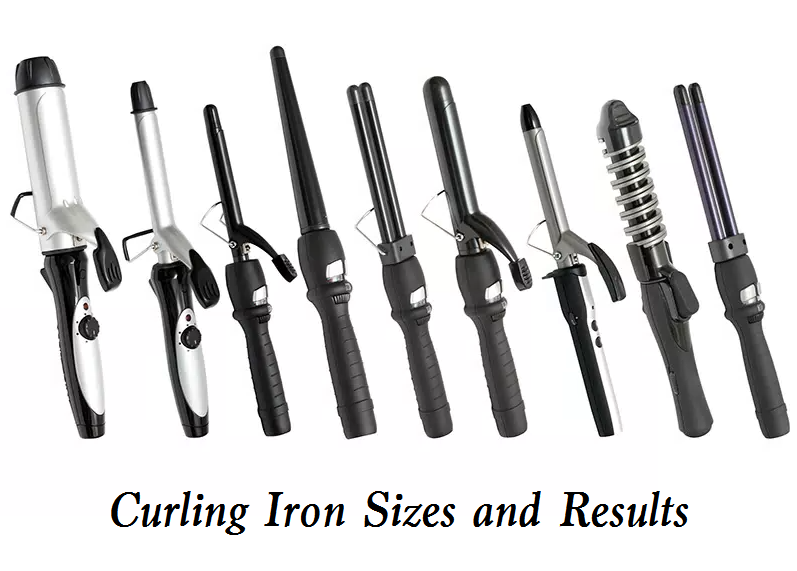
Curling Iron Sizes Chart (MM and Inches)
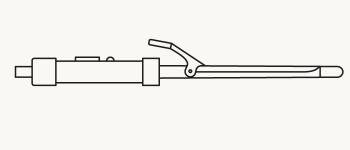
What is a curling iron? A curling iron, also known as a curling tong, is a hair styling tool used to create curls and waves in hair. It consists of two main parts: a heated barrel and a long handle. The barrel can be made from various materials, such as ceramic, metal, Teflon, titanium, etc., and comes in different sizes and shapes.
The curls or waves are made by wrapping strands of your hair around the curling iron barrel, so the larger the barrel size, the bigger or looser your curls will be. The curling iron size refers to the diameter of the barrel. If you want to find the best hair curler size in a short time, please check out our quick curling iron chart that includes sizes, hairstyle results, and ideal hair length. The curling iron sizes mentioned here all refer to cylindrical-shaped ones.
| Curling Iron Size (inches) | Size (mm) | Hairstyle Results | Ideal Hair Length |
|---|---|---|---|
| 2" | 51 mm | Gentle, relaxed, loose waves, soft beach waves, blowout look | Long hair |
| 1 3/4" | 44 mm | Big, loose waves, romantic waves, subtle shape, tousled look | Long hair |
| 1 1/2" | 38 mm | Defined yet soft curls and waves, large voluminous curls | Medium and long hair |
| 1 1/4" | 32 mm | Medium bouncy curls, loose waves, can be tight or brushed out | Medium-length hair |
| 1" | 25 mm | Classic curls, defined beach waves, full curls, retro waves | All hair lengths |
| 3/4" | 19 mm | Tight curls, vintage textured curls, structured spirals | Short to medium hair |
| 5/8" | 16 mm | Smooth, tight curls, enhance natural curls, frizzy strands | All hair lengths |
| 1/2" | 13 mm | Tight kinky curls, ringlet spiral curls | Short hair |
| 3/8" | 10 mm | Extra-tight kinky spiral curls enhance natural curls | Short hair |
Curling Iron Sizes and Curl Results
Each curling iron barrel size has a different result, which is a distinct hair curl pattern.
2-Inch (51mm) Curling Iron
The 2-inch curling iron is the biggest one you can find and is perfect if you want very loose, soft waves or just a little bend at the ends of your hair. It’s like when you see someone with big, bouncy hair that looks natural and full of volume. This size works best for people with long hair because the longer your hair, the more noticeable the waves become. If your hair is short, this big iron won’t make tight curls, just some gentle volume and a bend.
1 ¾-Inch (44mm) Curling Iron
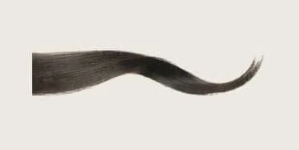
A 1 ¾-inch curling iron is not a common size; it is a little smaller than the 2-inch, but still makes nice, big waves. It creates a more visible wave than the 2-inch, especially on longer hair, giving a romantic, loose, wavy look. Similarly, for short hair, it will only add a soft bend rather than real curls. It’s great for those who want big, natural-looking waves without tight ringlets.
1 ½-Inch (38mm) Curling Iron
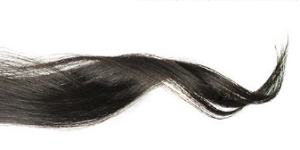
This size is excellent if you want big, pretty curls that add volume and texture. The 1 ½-inch curling iron makes your hair look thick and lively with soft, beachy waves. It is perfect for hair that’s shoulder-length or longer. If you want your hair to look healthy and full of body with gently curled strands, this size is a fantastic choice.
1 ¼-Inch (32mm) Curling Iron
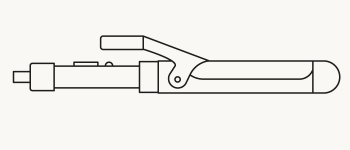
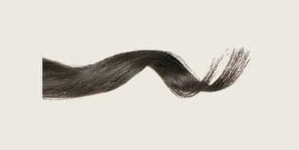
The 1 ¼-inch iron is just right, not too big and not too small. It creates soft, natural waves or curls that look very relaxed and effortless. This size is great for medium to long hair and is popular among hairstylists for creating simple, everyday waves that feel casual but stylish.
1-Inch (25mm) Curling Iron
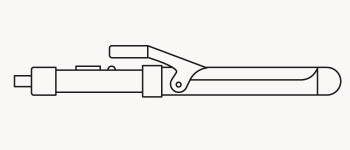
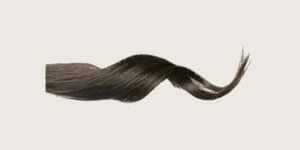
The 1-inch curling iron is the most popular and versatile size. It works well for all hair lengths, from short to long, and all hair types. On short hair, it makes loose waves, while on medium or long hair, it creates those cool, messy beach waves with nice texture. It’s like the all-rounder curling iron that can do many different styles.
¾-Inch (19mm) Curling Iron
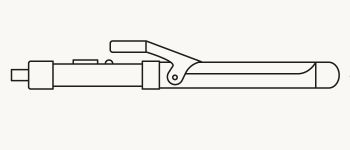
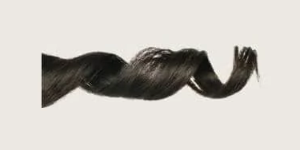
A ¾-inch curling iron is perfect for creating deep, defined waves or curls that look very glamorous, think classic Hollywood starlets with shiny, polished hair. This size works well on shoulder-length hair and can handle both thin and thick hair. It’s a great choice when you want your curls to look tight and elegant.
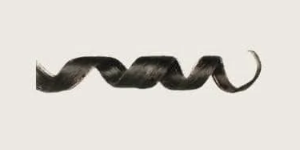
5/8-Inch (16mm) Curling Iron
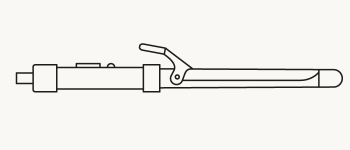
The 5/8-inch curling iron is a smaller size that gives you natural-looking curls with lots of bounce. It’s great for chin-length hair to make soft beach waves, but if your hair is longer, it can create tighter, spiral curls that look like you were born with naturally curly hair. This size helps add texture and volume, especially if your hair is medium to long.
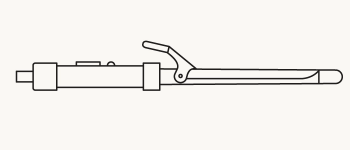
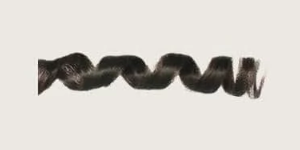
½-Inch (13mm) Curling Iron
The ½-inch curling iron is excellent for making tight, spiral ringlet curls. If your hair is short, around chin length, it can create beachy waves, but on longer hair, it makes very tight curls that look dramatic and fun. This size also works well for enhancing natural curls, helping them look smooth and defined without frizz.
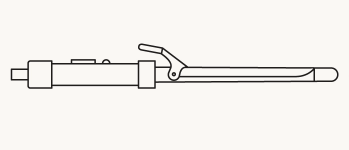
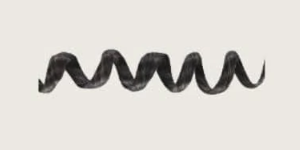
3/8-Inch (10mm) Curling Iron
The 3/8-inch is the smallest curling iron size and is perfect for making very tight, corkscrew curls. This tiny iron is great for short hair like pixie cuts, giving them a sassy little curl. For longer hair, it creates those fun, teeny-tiny curls that look like ringlets or spirals. It takes more time to style long hair with this size, but the result is super curly and full of personality.
What Size Curling Iron to Choose for Short, Medium-Length, and Long Hair?
The best size barrel for curling all hair lengths:
Best Curling Iron Size for Short Hair
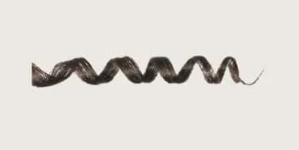
For short hair, smaller curling iron barrels are the best choice because they allow the hair to wrap around sufficiently to create well-defined, long-lasting curls. The top recommended sizes are 3/8 inch and 1/2 inch: a 3/8-inch barrel creates tight spiral curls and is ideal for short, thin hair; a 1/2-inch barrel can produce tight ringlet spiral curls on longer hair but loose waves on short to chin-length hair, and it works best for enhancing naturally curly hair of short to chin-length.
Best Curling Iron Size for Medium-Length Hair
For medium-length or shoulder-length hair, the best curling iron barrel sizes are 1 to 1¼ inches, which balances natural movement and curl definition, ideal for loose, bouncy waves that last all day, and alternating curl directions can add extra dimension for a modern, undone look.
Best Curling Iron Size for Long Hair
The best curling iron size for long hair is generally larger barrels, with a 2-inch barrel being an excellent choice; selecting the right size for long hair focuses on balancing curl visibility and durability while maintaining the hair’s length and flow, and larger barrels are preferred because they create softer, more natural-looking curls that enhance the hair’s length, whereas smaller barrels will produce tighter curls that visually shorten long hair and may not hold well due to the hair’s weight. Specifically, a 2-inch curling iron is ideal for those who want very loose waves or big, bouncy ends with slight curls, and the longer the hair, the more obvious the wave effect it creates.
Curling Iron vs Curling Wand
When it comes to styling your hair with heat, you might hear about curling irons and curling wands. Both tools help you create beautiful curls and waves, but they work a little differently and are better for different looks and hair types.
Curling irons have a clamp, a little clip that holds your hair in place on the heated barrel while you curl. This clamp helps keep your hair secure and safe from slipping or burning your fingers. Because curling irons have a uniform barrel size, they make curls that are all the same size and shape. If you want neat, spiral curls or elegant ringlets, a curling iron is a great choice. Plus, many curling irons let you adjust the heat, which is important if you have fine or thick hair, so you can protect your strands while still getting long-lasting curls.
On the other hand, curling wands don’t have a clamp. Instead, you wrap your hair around the smooth barrel by hand. This means you have more freedom to create different curl styles — from loose, natural waves to tighter curls. Curling wands are often easier for beginners because you just hold the hair on the barrel without fiddling with a clamp. However, they can feel like more work because you need to hold the wand and your hair at the same time, sometimes with both hands, which can make your arms tired. They also help you start curls higher up near your roots more easily than irons. But curling wands pose a higher risk of burning your fingers.
Differences Between Curling Irons and Flat Irons
1. Core Design and Basic Structure
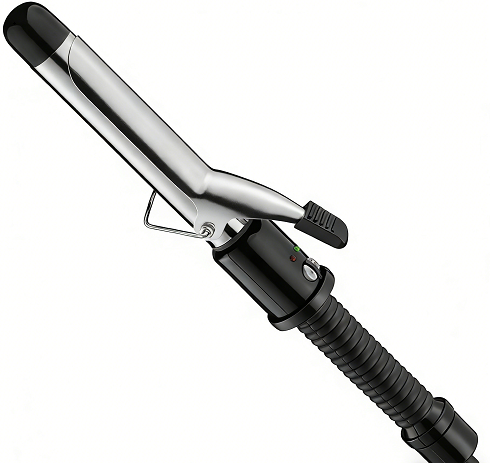
Curling iron: It generally has a cylindrical barrel (which can be cone, oval, or other shapes) on top of a long handle. Most models come with a clamp at the base of the barrel to lock hair in place; there are also clipless versions called curling wands. The barrel is the key heating part for creating curls.
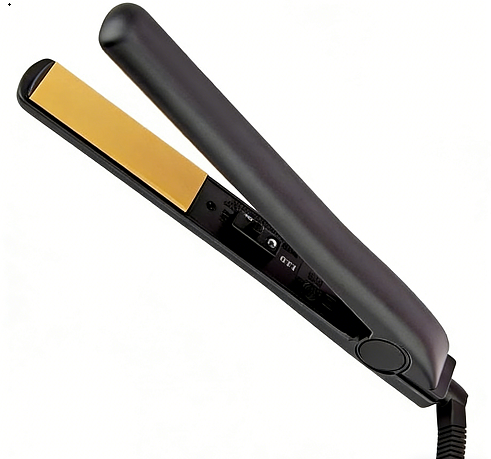
Flat iron: Also known as a hair straightener, it consists of two heated plates (usually with rounded ends for curling). The plates clamp down on the hair, and it has a handle for easy operation. Its original design is for straightening hair, with the two plates as the core heating component.
2. Primary and Secondary Uses
Curling iron: Its primary and only purpose is to create curls or waves. It cannot be used for straightening hair at all. Different barrel designs and sizes allow it to make various curly styles.
Flat iron: Its primary use is to straighten hair (ironing out kinks, bends, or waves to make hair sleek). Curling is its secondary function—only with the right technique can it produce curls or waves, and it’s a multipurpose tool that combines straightening and curling functions.
3. Curling Operation Method
Curling iron: First, prep with heat protectant on dry hair. Then take a small section of hair, wrap it around the heated barrel, and hold it in place with the clamp (or manually hold it for clipless versions) for 5-10 seconds. After the hair cools down, release it to get curls. You need to pay attention to the holding angle and wrapping method to adjust the curl style.
Flat iron: Start with dry, heat-protected hair and small hair sections. Clamp the flat iron near the top of the hair section, glide it down as if straightening. When reaching the part where you want the curl to start, pivot the flat iron 180 degrees (a half-turn) away from your face, then continue gliding down smoothly. After curling all hair, use fingers to massage the roots to break up curls. The key is to keep the flat iron moving without stopping to avoid creases.
4. Curling Effect and Style Range
Curling iron: It can create a wide range of curl styles, including tight spiral curls, ringlets, big bouncy curls, old-school voluminous curls, and messy waves. The curls are very defined and uniform, with smooth texture and no frizz or stray flyaways. You can adjust the curl size by changing the barrel diameter (3/8 to 2 inches).
Flat iron: Its curling style range is relatively limited. It’s good at making beachy waves (such as C-waves, S-waves, pin curls) and some loose curls, but it’s hard to create tight ringlets or glamorous Old Hollywood-style defined curls. The curls are usually more natural and messy, with less definition and uniformity compared to those from a curling iron.
5. Ease of Use and Learning Curve
Curling iron: It’s almost foolproof for curling. The clamp helps fix the hair, making it easy to wrap and operate. The learning curve is gentle, and even beginners can quickly master basic curling methods. Only clipless versions require a little more skill.
Flat iron: Curling with a flat iron has a steeper learning curve. It requires mastering the timing of pivoting and keeping the tool moving smoothly. If you’re not skilled, the hair may slip out or form creases. It takes more practice to get consistent curling results.
6. Curling Durability
Curling iron: The curls last for a long time, especially when finished with hairspray. But the heat is not as evenly distributed as a flat iron, so the durability is slightly inferior.
Flat iron: The two plates heat evenly, so the curls and waves created last significantly longer than those from a curling iron. Even distribution of heat makes the curl shape more stable.
7. Suitability for Different Hair Lengths
Curling iron: It’s difficult to curl short hair with a curling iron, and additional tips or skills are needed to operate it effectively.
Flat iron: There’s no obvious limitation on hair length for curling. It can handle both short and long hair as long as the operation technique is mastered, and it’s more flexible for short hair.
8. Portability and Weight
Curling iron: The weight varies by model; some clipless versions are featherweight, but overall, there’s no obvious advantage in portability.
Flat iron: Most flat irons are lightweight and portable, making them easy to carry around for travel or on-the-go styling.
Flat Iron vs Curling Iron: Which One to Choose?
Choose a curling iron if:
You mainly want to create curls/waves (especially defined, uniform styles like tight ringlets or big bouncy curls).
You are a beginner who wants an easy operation.
You don’t need to straighten your hair.
It’s also a good choice if you pursue diverse curl sizes and don’t mind preparing multiple tools for different styles.
Choose a flat iron if:
You need both straightening and curling functions.
You prefer natural, messy beachy waves; you want longer-lasting curls. You have short hair and need a more flexible tool.
You often travel and value portability. Note that you need to be willing to spend time practicing the curling technique.