

How to Thicken Hair Fast - Best 10 Tips for Thickening Hair Naturally
For countless people, thick, glossy, full-bodied hair feels like an unattainable dream. Many reach for human hair wigs daily to fake volume, yet most still long to restore their own naturally dense locks. If you’re tired of relying on temporary cosmetic fixes and wondering how to boost thin hair’s thickness without solely leaning on thickening shampoos, this all-natural, science-backed guide breaks down actionable, fast-working hair thickening strategies.
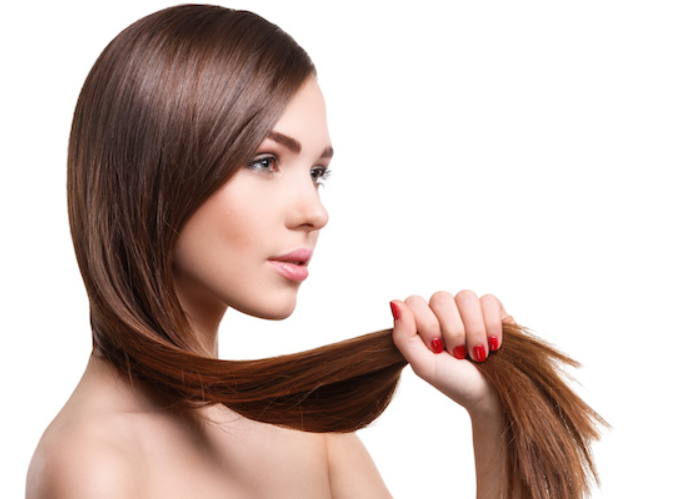
What Actually Counts As Thick Hair?
Naturally thick hair refers to high hair density—meaning a large number of individual strands grow per square inch of your scalp. If you have naturally thick hair, your scalp barely peeks through your locks even when your hair is pulled flat. On the flip side, thin hair features sparse strand coverage, so your scalp is easily visible through your hair, especially at the parting or crown.
It’s important to separate the two terms people often mix up: strand thickness vs. hair density. Some folks have wider, coarser individual strands but low overall density, while others have fine, thin strands but thousands more follicles across their scalp. The average human scalp holds roughly 100,000 hair follicles, with a normal range stretching from 80,000 to 150,000. Your genetic code sets your baseline follicle count, which we cannot permanently alter—but nearly all thinning we notice day-to-day comes from preventable breakage, damaged dormant follicles, and lifestyle strain that we absolutely can reverse.
Why Your Hair Is Thinning Out
Hair thinning rarely stems from a single source; most cases tie back to one or more of these common triggers. Beyond daily hair damage, aging, stress, and nutritional deficiencies, hair loss and thinning can also be caused by hereditary conditions, hormonal disorders, specific scalp infections, autoimmune diseases, excessive hair-pulling habits, certain medications, and even post-viral health changes such as COVID-19 infection. All these factors can disrupt the normal hair growth cycle, trigger excessive shedding, and gradually reduce hair thickness and volume.
Can You Permanently Boost Hair Density?
Here’s the honest truth: your genetic follicle count is fixed, so you cannot permanently increase how many hair roots live on your scalp. That said, if your hair looks thin only from breakage, damaged strands, or temporarily dormant follicles, you can drastically restore fullness and visibly thicker hair within weeks by repairing and nourishing your hair and scalp. If thinning stems from pregnancy, chronic illness, severe hormone imbalance, or hereditary baldness, consult a dermatologist or healthcare provider first to explore targeted medical treatments alongside natural care routines.
How to Thicken Hair Fast - Best 10 Tips for Thickening Hair Naturally
How to get thick hair quickly and naturally?
1. Prioritise a Nutrient-Dense, Hair-Friendly Diet
Healthy hair growth starts internally—every strand is built from protein, so nutrient gaps instantly weaken volume and thickness.
Load up on iron-rich foods: spinach, kale, lentils, beans, and tofu supply iron, biotin, and zinc, three nutrients clinically proven to support consistent hair growth. You can also find biotin in eggs, bananas, broccoli, peanuts, and salmon.
Lean into high-quality protein sources: walnuts, sesame seeds, peanuts, fatty fish, and lean meat supply keratin, the structural protein forming every hair strand. Add omega-3 rich ingredients like olive oil, avocados, and fresh berries to feed follicles essential healthy fats and vitamin antioxidants.
Cut back on heavily processed, refined packaged foods that offer empty calories with zero hair-supporting nutrition. Swap sugary drinks for herbal teas and plenty of plain water—chronic dehydration dries out hair shafts and slows growth dramatically.
If blood tests confirm vitamin or mineral deficiencies, consider oral supplements under professional guidance: biotin, vitamin D, zinc, iron, or saw palmetto extracts all support follicle health. Clinically verified ingredients like minoxidil and adenosine can also accelerate regrowth for those dealing with severe shedding, with adenosine showing faster improvements in hair thickness and fewer side effects in comparative studies.
2. Keep Chronic Stress Under Control
Long-term anxiety, depression, and burnout directly interrupt your hair’s natural growth cycle. The chemical stress response your body generates pushes healthy follicles into early dormancy, triggering noticeable shedding and thinner-looking hair within 2–3 months of prolonged tension. This condition is known as telogen effluvium, a common cause of temporary hair thinning across all age groups.
Build consistent stress-relieving habits to protect your locks: stick to a steady sleep schedule with 7–9 hours of nightly rest, add light daily movement like walking or yoga, and practice daily scalp massages as a dual-purpose relaxation and hair care ritual. Aromatherapy, slow breathing exercises, and weekly low-stakes self-care all lower stress hormone levels to prevent stress-related thinning. For persistent overwhelming stress, reach out to a mental health specialist for tailored support.
3. Limit Heat Styling & Always Use Heat Protectant
Overusing blow dryers, flat irons, and curling wands strips moisture from hair cuticles, leaving strands brittle, dull, and prone to snapping off mid-length—this breakage creates the illusion of drastically thinner hair.
Adjust your routine to minimise heat exposure: air-dry whenever possible, and avoid blow-drying plus hot styling tools on the same day. When you cannot skip heat styling, coat every strand with a lightweight thermal heat protectant spray or volumising lotion first to create a protective barrier against high temperatures. Heatless styling hacks like fabric curl wraps are an amazing zero-heat swap to maintain hairstyle shape without damage.
4. Stick to Regular Deep Conditioning Treatments
Deep conditioning repairs compromised hair cuticles, boosts elasticity, strengthens fragile strands, and locks in long-lasting moisture—key for reversing thin, lifeless hair from chemical or heat damage.
Pick sulfate-free deep conditioners free of harsh synthetic additives for at-home weekly treatments. Slather the mask evenly across damp mid-lengths and ends, leave it sitting for 30 minutes max (over-conditioning weighs fine hair down), then rinse thoroughly with lukewarm clean water.
For an extra nourishing boost, craft DIY deep treatments from natural staples: pure aloe vera gel, cold-pressed castor oil, beaten egg masks, steeped herbal tea rinses, beer hair soaks, or grapefruit seed extracts. After applying your homemade mask, wrap hair in a shower cap or damp warm towel to trap heat and amplify nutrient absorption before rinsing fully.
5. Daily Scalp Massage to Boost Blood Circulation
Healthy follicles rely on steady blood flow delivering oxygen and nutrients to the scalp, and simple daily massages are a zero-cost way to stimulate circulation and encourage thicker hair growth.
Use your fingertips (or a soft scalp brush) to apply gentle circular pressure across your entire scalp. A standard easy routine: curve all five fingers slightly, then glide your fingertips from your front hairline up over your crown and back to the nape of your neck; repeat this smooth sweeping motion roughly 20 times each session. Small 4-minute daily scalp massages have even shown measurable increases in average hair thickness in small clinical studies, alongside acting as a simple stress reliever. For amplified benefits, mix a drop of rosemary, peppermint, or lavender essential oil into your massage routine.
6. Brush & Comb Your Hair The Right Way to Prevent Breakage
Brushing incorrectly is one of the most overlooked causes of avoidable hair thinning from breakage.
Only brush hair when it is fully dry—wet hair strands swell and become extremely fragile, so brushing post-shower snaps strands easily and creates split ends that travel upward and thin hair out. If your hair is damp after washing, detangle gently with a wide-tooth comb or your fingertips instead of a stiff-bristle brush.
A boar bristle brush works wonders on dry hair: its soft bristles evenly distribute your scalp’s natural protective oils across strands while lightly stimulating scalp cells to encourage thicker growth. The optimal timing to brush is before shampooing and deep conditioning to loosen product buildup and shed loose strands pre-wash. Avoid tight pulling during brushing, and skip overbrushing altogether for fine, fragile hair types.
7. Minimise Harm From Perms, Bleach & Chemical Dyes
Trendy light blonde shades, repeated perms, and chemical relaxers rely on harsh formulas that erode hair’s outer cuticle layer, weakening strands until they snap constantly. This ongoing breakage creates sparse, thin-looking hair that struggles to grow long.
If you refuse to skip colour treatments entirely, choose shades as close to your natural base colour as possible. Darkening your hair causes far less structural damage than bleaching strands to pale platinum or ash blonde. Space chemical treatments several months apart to give hair time to recover between salon visits. Avoid tight tension hairstyles alongside chemical processing—combined stress leads to traction alopecia and permanent follicle thinning at the hairline.
8. Get Consistent, Regular Hair Trims
Many people mistakenly skip trims, hoping to grow longer hair faster, yet damaged split ends sabotage thickness and growth speed. Daily sun exposure, dust buildup, and chemical wear rough up hair ends, creating frayed splits that creep upward along the hair shaft over time. These split strands snap off constantly, leaving hair looking uneven, thin, and lacking fullness.
Scheduled trims remove all compromised split ends before damage spreads further up strands. With broken, frayed ends eliminated, your remaining hair grows unobstructed, with a smoother, fuller visual texture that instantly reads as thicker. Visit your stylist every 6–8 weeks for a light trim targeting damaged ends only. Your stylist can also recommend volume-boosting haircuts tailored to fine hair, such as layered styles or adjusted hair partings that create instant visual fullness without chemical intervention.
9. Adjust Your Hair Washing Routine to Protect Natural Scalp Oils
Your scalp’s natural sebum oils form a protective barrier that feeds follicles and maintains strong, thick hair strands. Overwashing strips away these vital oils, leaving hair dry, brittle, and slowing healthy follicle activity. Even premium sulfate-laden shampoos strip protective grease when used too frequently.
Limit full washes to a maximum of three times weekly—only lather up when your scalp feels oily or weighed down with styling product residue, per dermatology guidelines. For days between washes, use lightweight dry shampoo to absorb grease while adding instant root volume that masks thinness; avoid overusing dry shampoo, as heavy buildup irritates the scalp and blocks follicles long-term.
When you do shampoo, focus lather solely on your scalp roots, letting diluted suds slide gently down the lengths as you rinse—this prevents over-drying fragile ends. Swap harsh sulfate-heavy cleansers for mild, scalp-friendly volumising shampoo and conditioner sets designed for fine thin hair; look for formulas with provitamin B5 to plump individual strands without weighing hair flat. Follow every shampoo with conditioner to seal the hair cuticle and lock in moisture. Weekly hair masks deliver deep nourishment that regular conditioner cannot match.
10. Use Targeted Natural & Volumising Hair Care Products
Alongside daily lifestyle tweaks, carefully selected hair care staples deliver immediate visible thickness while repairing strands long-term.
Natural DIY Thickening Treatments: All-natural at-home masks deliver concentrated nutrients to wake dull follicles: Aloe vera soothes inflamed scalps and balances oil production; castor oil nourishes follicles and strengthens fine strands; raw egg masks rebuild broken hair cuticles; rosemary oil boosts strand thickness naturally; green tea rinses help inhibit harmful scalp activity, while grapefruit seed extract and mild beer soaks enhance hair shine and reduce breakage. Apply these natural treatments to damp hair, cover with a warm towel or shower cap for 20–30 minutes, then rinse fully with warm water to avoid residue buildup.
Instant Volumising Styling Products: For quick, all-day fullness while your natural hair repair routine takes effect: Lightweight volumising mousse adds bounce without stickiness and provides mild heat protection; root lift spray builds lasting root volume for denser-looking hair; volume powder creates instant lift at dry hair roots and can be reactivated throughout the day; weekly detox shampoo dissolves stubborn product buildup that clogs follicles and flattens fine hair.
Bonus Advanced Solutions For Stubborn Severe Thinning
If natural lifestyle tweaks do not deliver enough progress for advanced thinning or hereditary hair loss, consult a dermatologist to explore science-backed professional treatments:
LLLT Red Light Laser Therapy: Non-invasive at-home laser devices boost scalp blood flow and reactivate dormant follicles, improving hair thickness over consistent use.
PRP & Mesotherapy: In-clinic treatments deliver growth factors, vitamins, and minerals straight to weak follicles to reverse diffuse thinning and strengthen hair roots.
Scalp Microneedling: Controlled micro-stimulation boosts scalp collagen production and enhances absorption of hair growth serums.
Clinical Medications: Topical or low-dose oral minoxidil extends the hair growth cycle; prescription finasteride blocks hair-thinning hormones for hereditary baldness.
Hair Transplant Surgery: Permanent follicle redistribution for advanced balding delivers long-term natural thickening results.
Scalp Micropigmentation: Cosmetic pigment dots create an instant illusion of dense, thick hair for immediate visual improvement.
How to Thicken Hair for Men
Male hair thinning and baldness are extremely common issues, with androgenetic alopecia (male pattern baldness) affecting half of all men over 40. Many men dismiss early thinning signs until their hairline recedes significantly or bald spots appear on the crown, delaying effective intervention. While genetic factors play a leading role in male hair loss, daily habits, scalp care, hormonal balance, and lifestyle choices largely determine whether hair stays thick and healthy or continues to thin. Below are targeted, science-backed tips exclusively for men to restore and maintain thicker hair.
Core Causes of Male Hair Thinning
Male hair loss is dominated by unique triggers distinct from female thinning: genetic predisposition to male pattern baldness, excess DHT hormone that shrinks hair follicles, nutrient-poor diets lacking protein, zinc, and iron, unregulated heat and chemical hair damage, chronic stress disrupting hormone balance, and unhealthy habits like smoking and excessive drinking that restrict scalp blood circulation.
Effective Tips for Men to Get Thicker Hair
1. Choose Scalp-Friendly Thickening Hair Care Products
Avoid generic, harsh hair cleansers containing sulfates and parabens that strip scalp oil, damage the scalp barrier, and weaken follicles. Opt for mild, thickening shampoos and conditioners infused with scalp-friendly ingredients like caffeine and niacin to nourish follicles and strengthen strands. Prioritize lightweight formulas that hydrate without weighing down roots, focusing on long-term strand integrity rather than temporary softness.
2. Optimise Diet for Follicle Health
Male hair thinning is closely linked to nutritional gaps in protein, zinc, iron, and vitamin D, common in irregular daily diets. Prioritize keratin-rich foods, including eggs, salmon, lean meat, Greek yogurt, and lentils, to build strong hair strands. Supplement with nuts, seeds, and leafy greens to correct mineral deficiencies that cause follicle atrophy and slow growth. A targeted, balanced diet forms the core foundation for sustainable thick hair growth.
3. Stick to Regular Scalp Massage & Natural Oil Care
Consistent weekly scalp massages greatly improve scalp microcirculation, reactivating dormant follicles. Pair gentle massages with rosemary oil, peppermint oil, coconut oil or castor oil for enhanced effects. Rosemary oil delivers comparable thickening effects to mainstream clinical ingredients with fewer side effects, while other natural oils repair the scalp barrier and soothe irritation.
4. Cut Down Heat & Chemical Damage
Excessive heat styling and chemical treatments (bleaching, relaxers) erode hair cuticles, weaken follicle vitality, and cause permanent strand thinning. Minimize high-heat tools, use heat protectants when styling is necessary, and space chemical treatments several months apart to allow full follicle recovery.
5. Avoid Tight Hairstyles & Overstyling
Persistent scalp tension from tight braids, strained updos, and excessive overstyling triggers traction alopecia and gradual hairline thinning. Opt for loose, low-tension hairstyles and volume-boosting layered haircuts, and limit heavy pore-clogging styling products to protect follicle health and maintain natural hair density.
6. Manage Stress & Stabilise Sleep Patterns
Elevated cortisol from chronic stress disrupts male hormone balance, increases DHT production, and pushes hair follicles into premature dormancy, triggering excessive shedding. Consistent 7–9 hours of quality sleep support hormone regulation and follicle repair, making stress management and regular sleep essential for thick, stable hair growth.
7. Improve Lifestyle & Hydration Habits
Smoking damages hair follicle DNA, triggers scalp inflammation and scarring, and accelerates male pattern baldness. Excessive alcohol depletes hair-essential B vitamins and zinc, while chronic dehydration weakens hair strands and slows scalp metabolism. Quitting smoking, limiting alcohol intake, and maintaining daily hydration significantly improve scalp blood circulation and follicle vitality.
8. Try Professional Clinical Treatments
For hereditary or moderate to severe male thinning that cannot be improved by daily natural routines alone, professional clinical treatments deliver targeted results. Topical minoxidil extends the hair growth phase and boosts scalp blood flow to stop shedding and thicken strands. Low-level laser therapy stimulates cellular energy production to reactivate dormant follicles. PRP therapy and scalp microneedling leverage the body’s natural growth factors to strengthen weak follicles, while hair transplant surgery provides permanent solutions for advanced balding cases.
9. Use Consistent Natural Scalp Remedies
Long-term natural remedies effectively maintain scalp health for men. Green tea rinses inhibit scalp DHT activity to reduce hereditary thinning triggers, while aloe vera and mild natural treatments soothe inflammation and nourish dormant follicles. Consistent use optimizes the scalp environment for gradual, sustainable thicker hair growth.
10. Seek Prescription Medication for Severe Baldness
For persistent male pattern baldness, dermatologists can prescribe targeted medications, including oral finasteride to block DHT conversion (the root cause of hereditary thinning) and off-label low-dose oral minoxidil with proven clinical efficacy. All prescription medications require professional guidance and continuous use to maintain stable results.
How to Thicken Hair for Women?
Hair thinning is extremely prevalent among women, with nearly two-thirds of postmenopausal women experiencing noticeable thinning or bald spots. Unlike male hair loss, driven mainly by genetics and hormones, female hair thinning stems from a more complex mix of hormonal fluctuations, lifestyle habits, styling damage, nutritional gaps, and emotional stress. Women’s hair is typically finer and more fragile, requiring gentler, targeted care to boost thickness and volume without causing further damage. Below are exclusive, practical tips for women to restore thick, full, and vibrant hair.
Core Causes of Female Hair Thinning
Key triggers for women’s hair loss include: genetic thinning predisposition; drastic hormonal changes from menstruation, pregnancy, childbirth, and menopause; inadequate intake of protein, iron, vitamins and minerals; long-term use of tight updos, braids, and excessive heat/chemical styling; chronic stress and long-term sleep deprivation; and natural aging that reduces nutrient absorption and slows hair regeneration after 50 years old.
Effective Tips for Women to Get Thicker Hair
1. Use Customised Volumising Hair Care Sets
Opt for sulfate-free, lightweight volumising shampoo and conditioner sets tailored for fine female hair. Formulas infused with biotin, caffeine, and vitamins plump fine strands from within, boost lasting volume without weighing hair down, and repair fragile cuticles. Pair with regular thickening treatment masks to reduce breakage and enhance overall hair fullness.
2. Supplement Nutrition & Maintain a Balanced Diet
Women are highly prone to iron, biotin, and vitamin D deficiencies due to hormonal fluctuations, dietary restrictions, and weight management, which directly cause excessive hair shedding. Maintain a nutrient-rich diet with leafy greens, eggs, nuts, seeds, lean protein, and fatty fish. Always consult a doctor before taking hair-supporting supplements to avoid nutrient excess and adverse side effects.
3. Gentle Scalp Massage & Nourishing Scalp Care
Gentle, consistent scalp massages boost scalp blood circulation, deliver sufficient nutrients to follicles, and relieve scalp tension. Pair massages with natural nourishing oils to soothe sensitive scalps, repair dry scalp tissue, and build a healthy growth environment for improved hair density.
4. Abandon Damaging Styling Habits
Tight updos, braids, and frequent high-heat styling are primary causes of female traction alopecia and strand breakage. Avoid brushing wet hair, detangle damp hair gently with wide-tooth combs, minimize daily heat use, and always apply heat protectant before styling. Schedule regular hair rest days to let fragile strands recover fully.
5. Relieve Stress & Ensure Sufficient Sleep
Chronic stress and insufficient sleep disrupt female endocrine balance, interfere with the hair growth cycle, and trigger temporary thinning (telogen effluvium). Adopt stress-relief routines like yoga, meditation, and outdoor activities, and maintain 7–9 hours of daily quality sleep to stabilize hair growth and reduce shedding.
6. Protect Hair & Scalp From External Damage
Fine female hair is susceptible to UV rays, pool chlorine, and saltwater damage. Daily conditioner use provides mild UV protection; use scalp-specific sunscreen powders or mists for strong sunlight exposure. Before swimming, rinse hair and apply conditioner, or wear loose swim caps to shield strands from chemical and saltwater erosion.
7. Choose Flattering Volume-Boosting Hairstyles
Consult professional stylists for layered haircuts and optimized hair partings that visually amplify hair fullness. Avoid overly flat, long hairstyles that accentuate thinning. Strategic hairstyle adjustments create instant volume and reduce daily styling damage to fragile fine hair.