

Wholesale 150% Body Wave Frontal Lace Wig 613#Blonde Color
Spring 2027 Hair Color Trends - Top Trending Spring Hair Colors & Hairstyles 2027
Spring is when most people start doing something about their hair for the new year. Coats come off, the light warms up, and the color that looked perfectly fine in January suddenly looks a little flat in photos. That is why this is the season the salon books fill up. For 2027 spring hair trends, the answer is warmer, softer, and far lower maintenance than the past few years.
Top 20 Trending Spring Hair Colors for 2027
For spring 2027 hair color trends, two key shifts define the look: cool, ashy tones are taking a backseat, making room for warm hues. Platinum and ice blonde aren’t gone, just no longer the go-to. We’re also moving away from perfectly uniform root-to-tip color; soft shadow roots and visible regrowth are now intentional features, not mistakes, crafted to look good as hair grows out. All of this boils down to lived-in, grown-out color that feels natural, not freshly box-dyed, and below, let's take a look at the best trendy colors for 2027, who they flatter, and the common missteps to watch for.
1. Milk Tea Brunette
A soft, hazy warm brown — the kind of shade that looks lit from within rather than obviously dyed. It works particularly well on dark Asian hair, because it lifts just enough color to catch the light without going brassy. Low commitment, very wearable, and it ages gracefully as it grows.
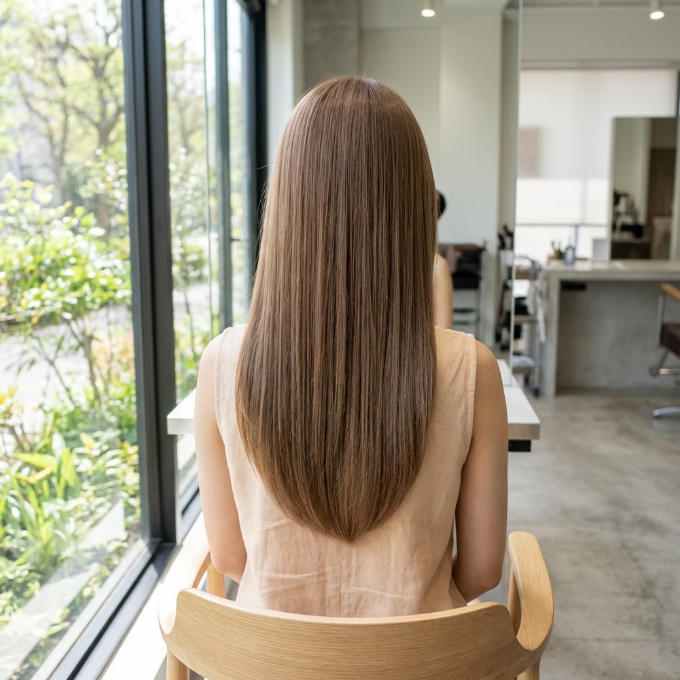
2. Mocha Mousse
Softer and greyer than espresso, sitting between chocolate and a cool brown. It's quieter than most browns, which makes it a good middle ground when you want depth but find true dark browns too strong. Cool and neutral skin tones wear it especially well.
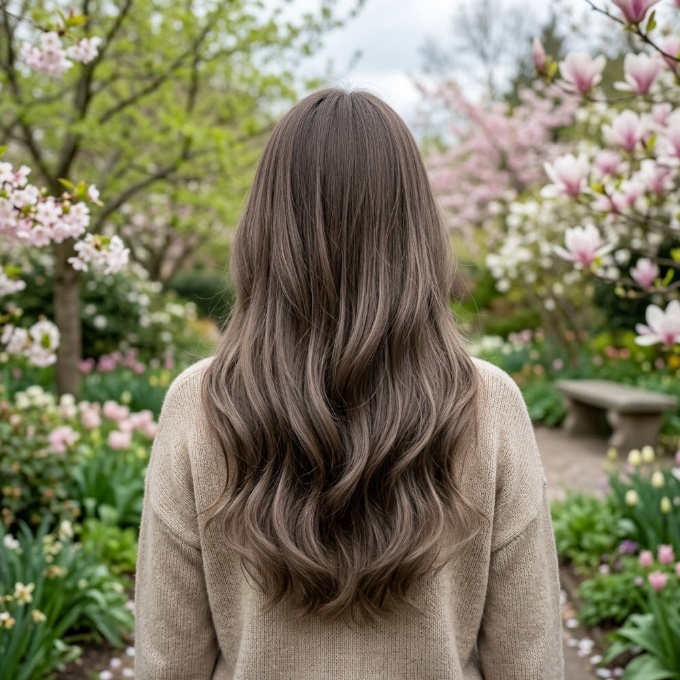
3. Espresso Brown
A deep, saturated brown that sits just short of black while keeping a warm undertone, so it never turns flat or blue. The finish is the selling point: glossy, reflective, healthy rather than matte. It flatters almost every skin tone, which is why it keeps returning, and it's the easiest way to go dark without looking harsh. Its one risk is dullness, since a solid block of dark brown reads heavy. Ask for a subtle lighter layer through the mid-lengths, or a gloss, to keep it moving.
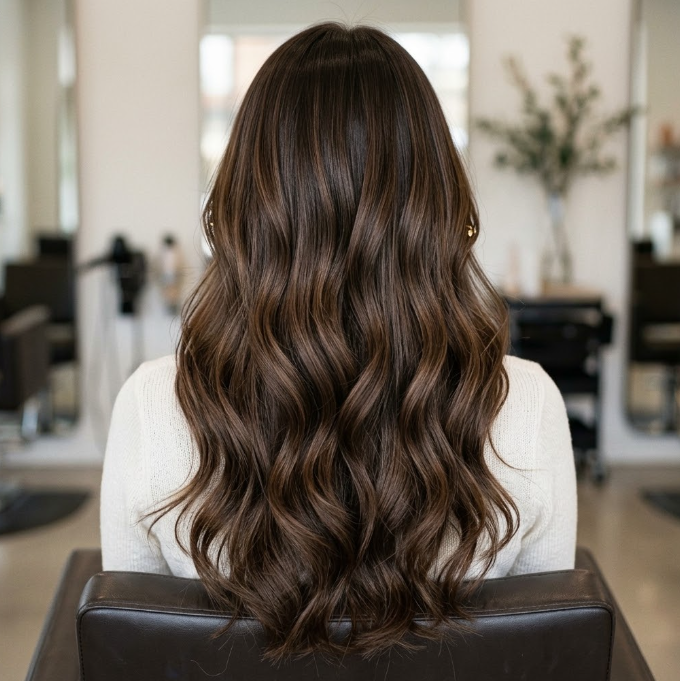
4. Velvet Mocha
A mid-depth brown with a quiet chocolate-and-nut sheen. This is the polished, grown-up end of the brown spectrum: rich without being loud. A good choice if you want something professional that still looks soft.
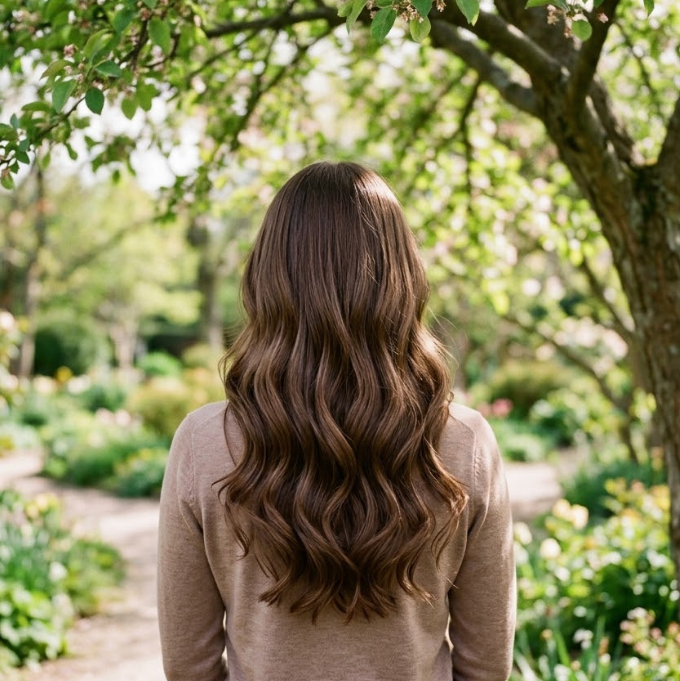
5. Mushroom Brown
A cool, ash-leaning brown with a soft beige cast. It's the go-to for cool undertones, and one of the few cool shades that still works in a warm season. On the wrong skin tone it can wash you out, so it's the one brown on this list to test carefully before committing.
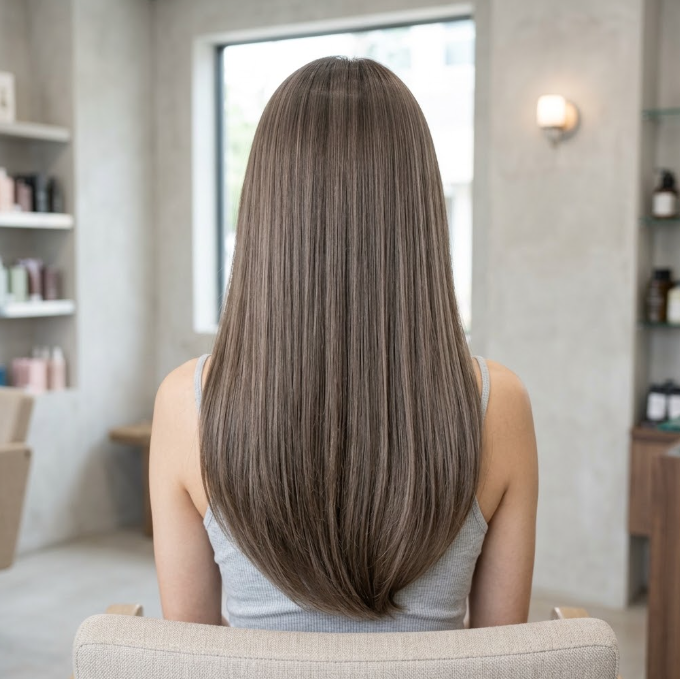
6. Butter Blonde
The biggest blonde story of the season. Where ice platinum is cold and mirror-like, butter blonde is creamy, warm, and soft — closer to vanilla than silver. It keeps a gentle shadow at the root so the grow-out stays kind. Warm skin tones wear it best, and it photographs beautifully in daylight.
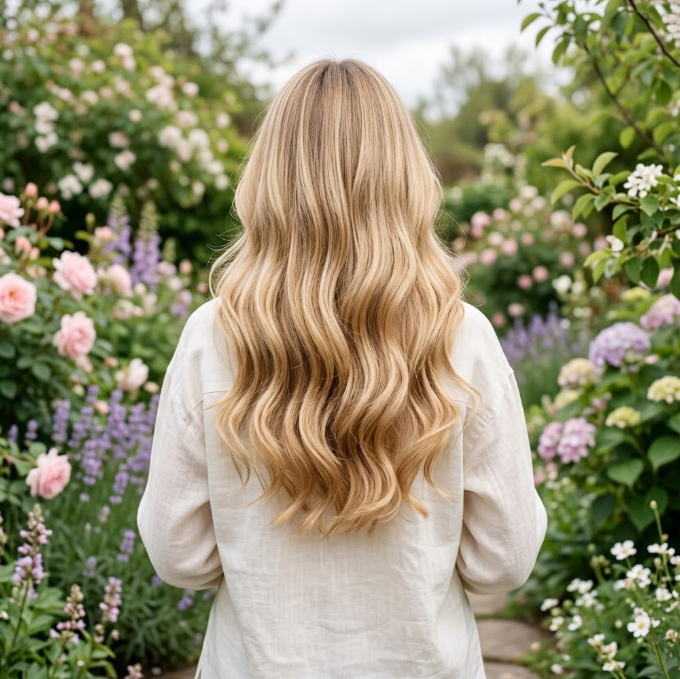
7. Linen Blonde
The cooler, cleaner sibling of butter blonde. Neutral rather than golden, crisp in a way that reads expensive, and slightly more understated. A good route if you want blonde without going warm, and it suits neutral skin.
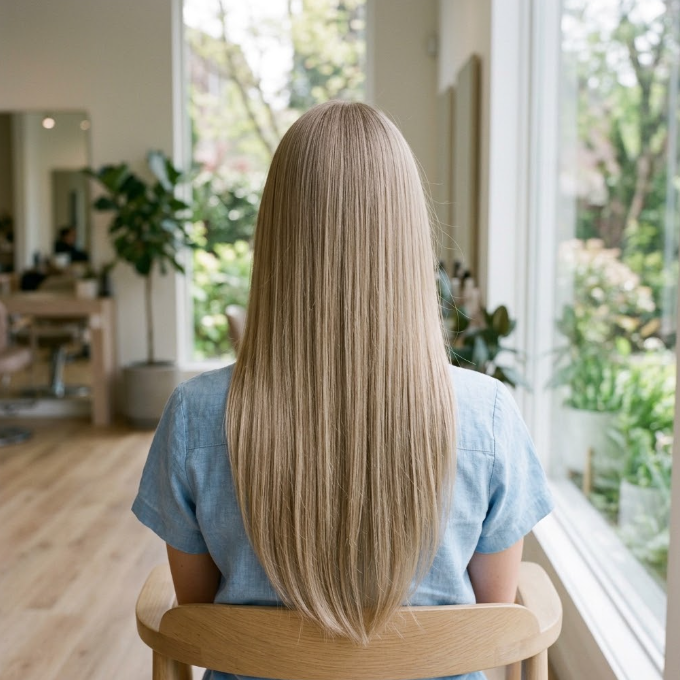
8. Candlelit Blonde
Fine gold and lighter strands woven through the hair, so the depth comes from the texture of the color rather than one flat tone. It reads warm and dimensional, and it looks best on wavy or softly layered hair, where light can move through it.
9. Bronde
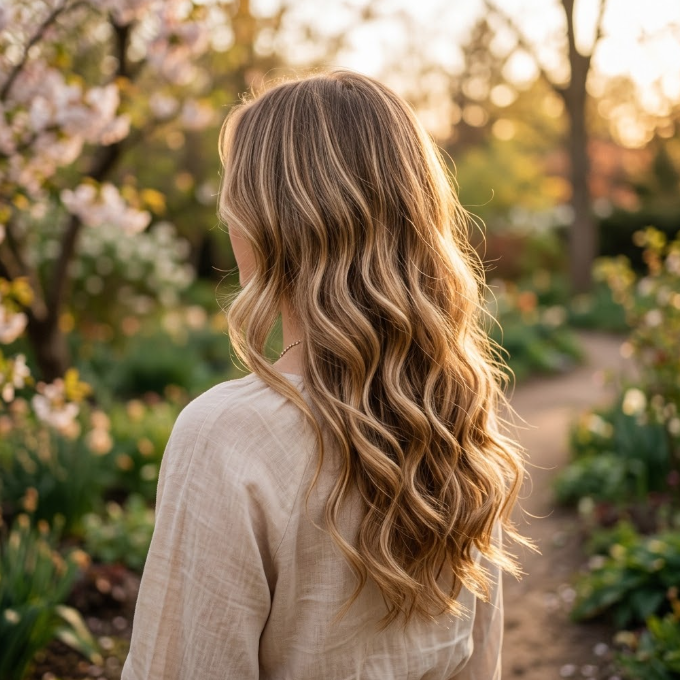
The blonde-and-brown blend that keeps outperforming everything else, because it's the most forgiving color here. The regrowth line barely shows, and it flatters almost everyone. Two versions are worth knowing: an "old money" read, in soft beige and biscuit with the roots left visible, and a hazel read that mixes gold with brown. Both are easy to keep and rarely look tired.
10. Rooted Blonde
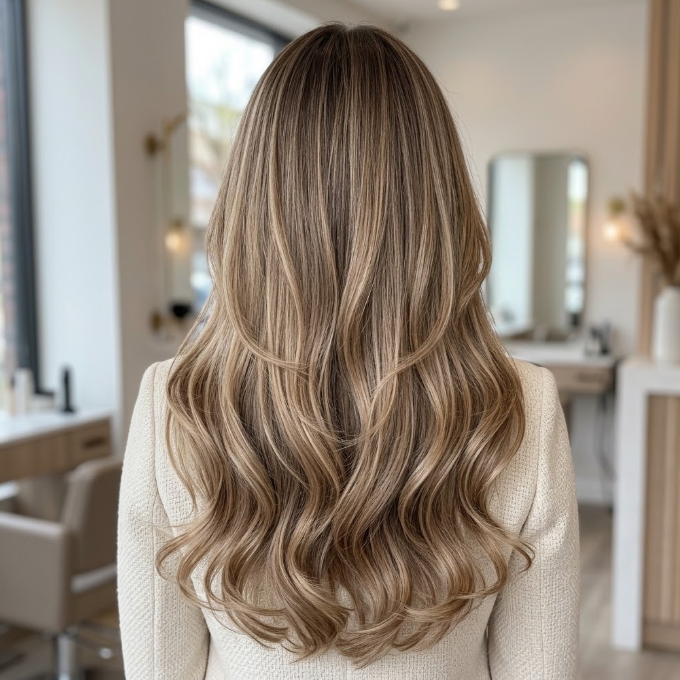
Less a color than a strategy: keep the base close to your natural dark, then lift only the pieces around the face. You get the brightening effect of blonde at a fraction of the upkeep. It suits anyone who wants highlights but doesn't want to sit in a chair every six weeks.
11. Cowboy Copper
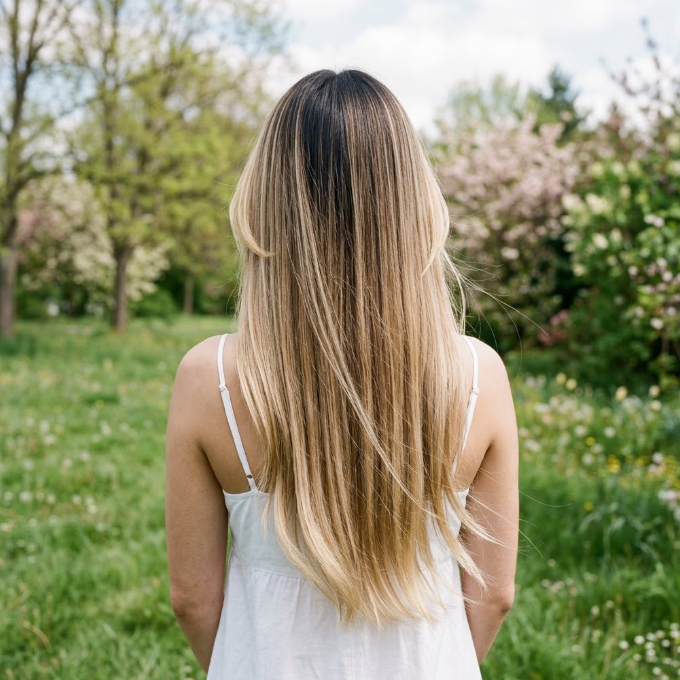
The most talked-about color of the year. It's not bright orange or deep red — it's cinnamon, chestnut, and a soft rust that reads more like embers than flame. Because it stays earthy, it flatters a wide range of skin tones. Be realistic about maintenance, though: copper fades faster than any other family, and most people need a refresh every four to six weeks. It is not a low-effort shade.
12. Cherry Mocha
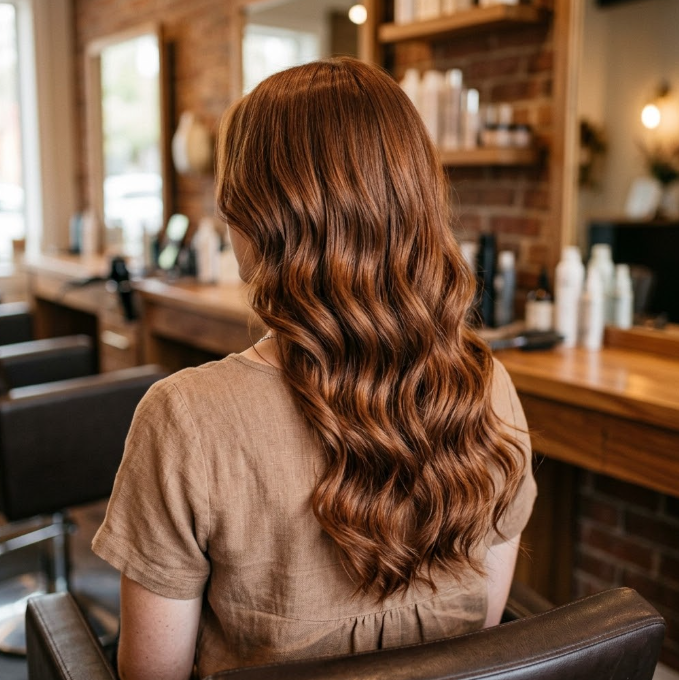
A brown base with a deep red or copper layer laid over it — richer and more grown-up than a straight red, with a glossy, almost wine-like depth. A good route if you want red without committing to copper.
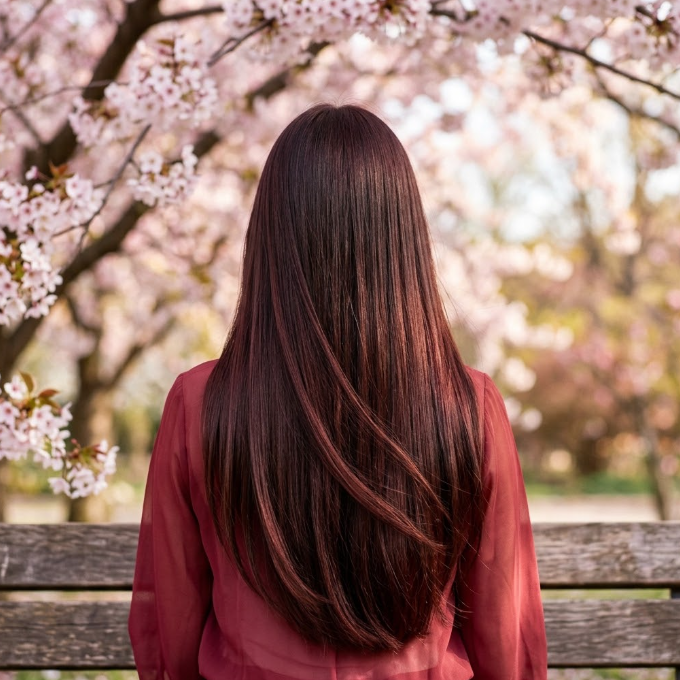
13. Terracotta Copper
A muted, matte, slightly cool clay red. Earthy rather than bright, it's a quieter take on copper, and it looks especially good in spring light precisely because it doesn't shout.
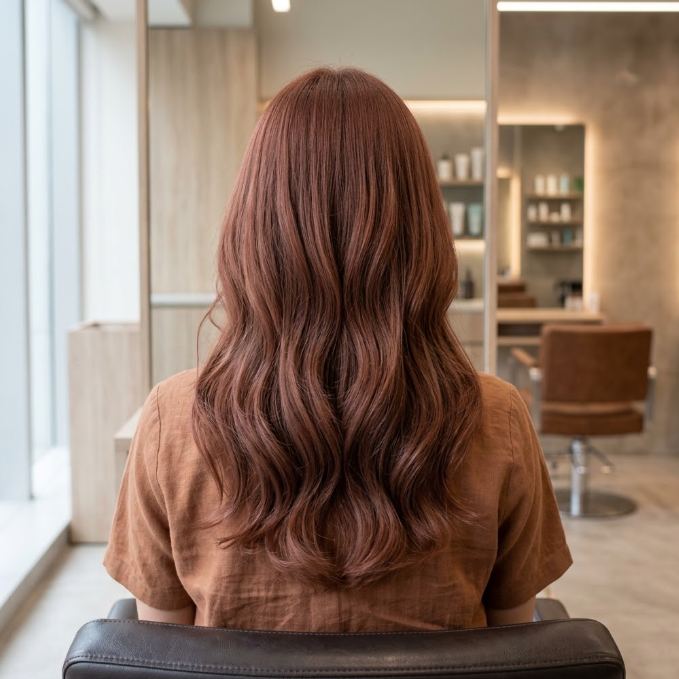
14. Soft Auburn (Sandy Red)
A red with plenty of brown in it, so the saturation stays low. It has a soft, slightly faded, 1970s feel — one of the gentlest ways to go red if you're nervous about the commitment.
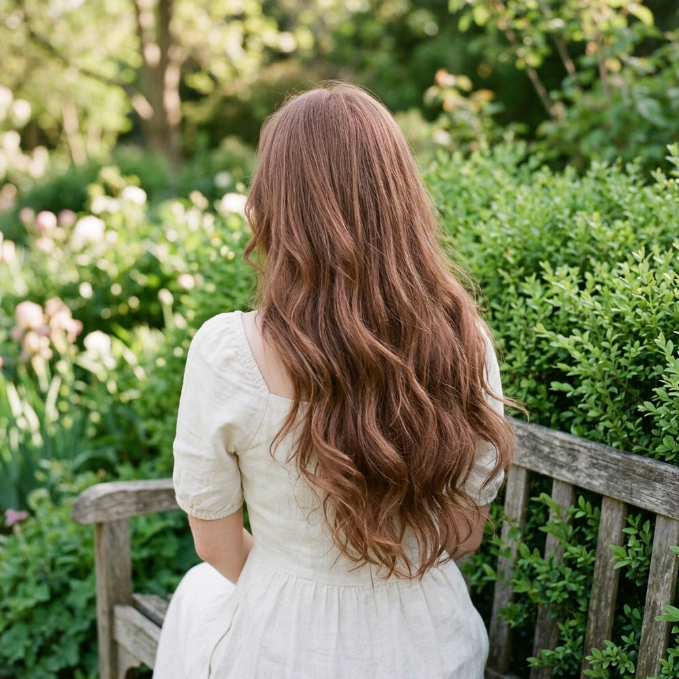
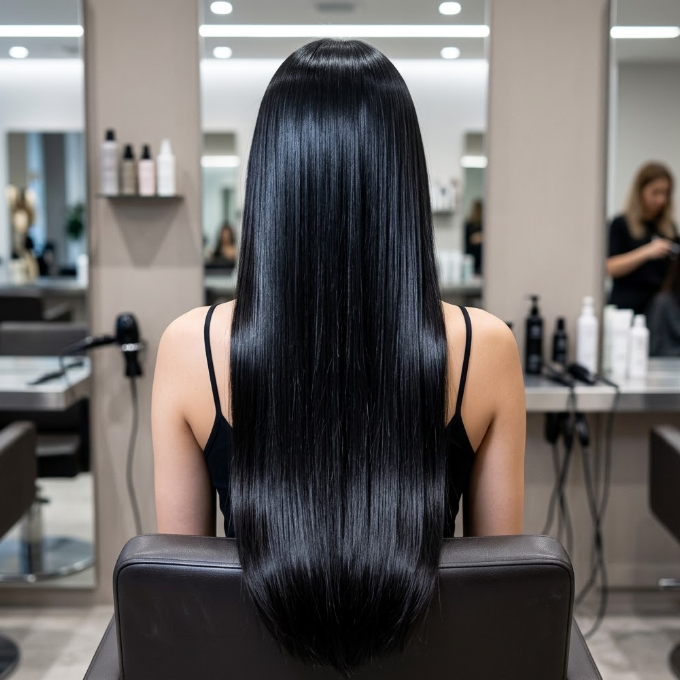
15. Soft Black (Inky Black)
Black with translucency rather than a flat, heavy block. The goal is a saturated, glass-like black that still catches light, and it's usually achieved with a gloss instead of a straight dye. It suits most people, but it's worth remembering that going back from black is the hardest color change there is.
16. Graphite Contrast
A smoky, velvety grey — somewhere between charcoal and silver — used with sharper edges than the softer ombres of recent years. Striking, but demanding: grey shows regrowth almost immediately.
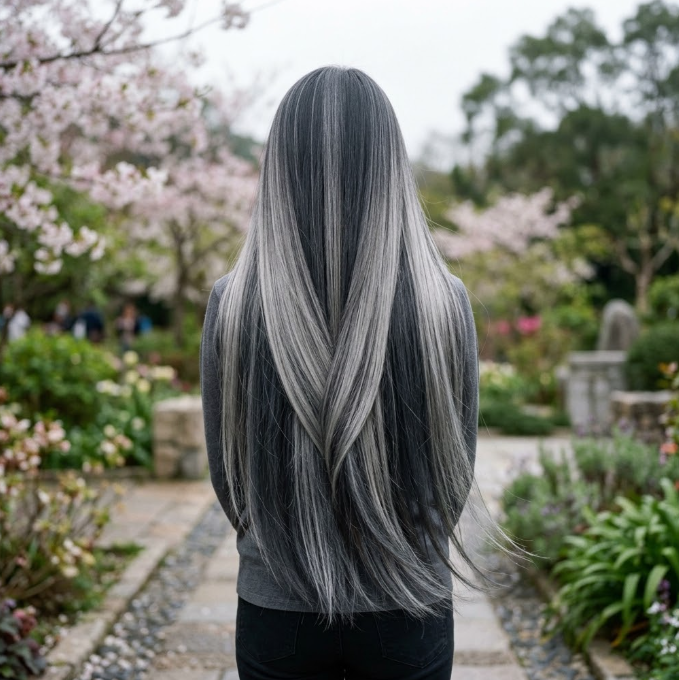
17. Soft Grey Blending
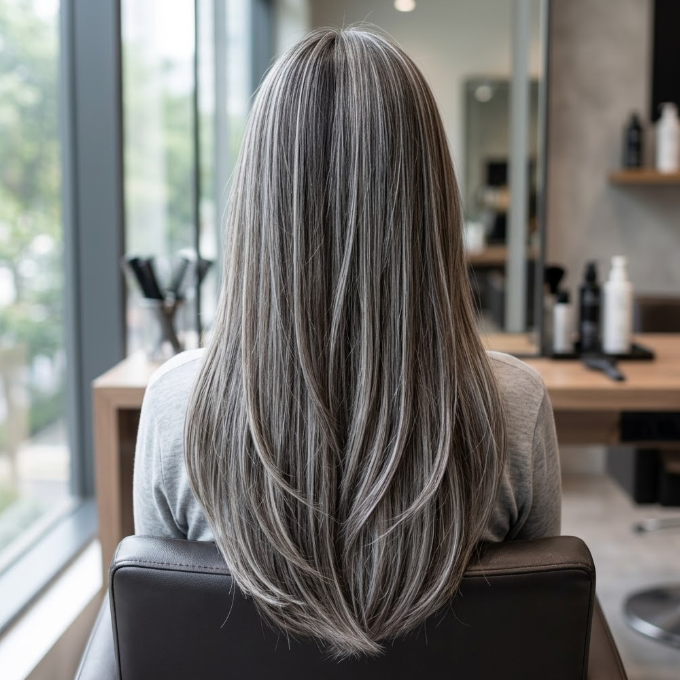
The most interesting technical trend of the season. Instead of covering grey, it's worked in, using cool toners and interwoven highlights to make natural silver part of the design. It suits anyone who is tired of fighting their own color, and it's far kinder to the hair than repeated full coverage.
18. Money Piece
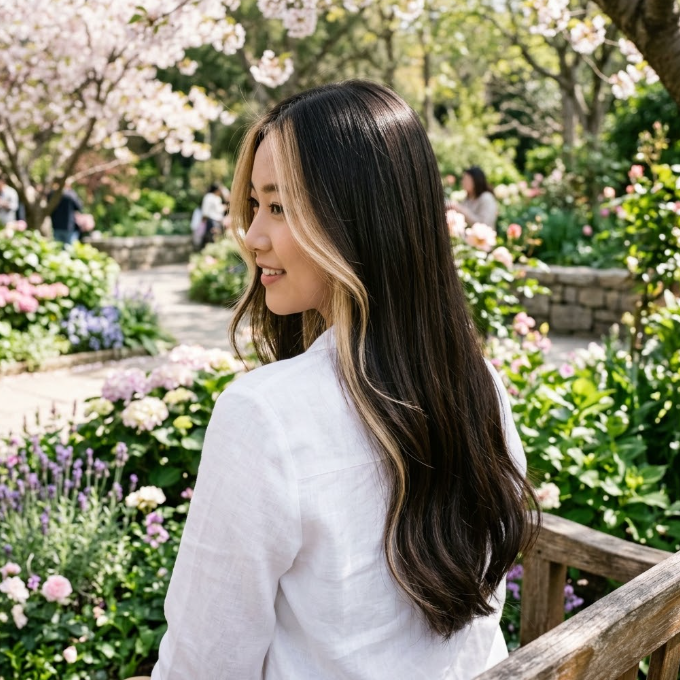
Two brighter pieces, one on each side of the face, lifted a few shades above the rest. It's the fastest, cheapest way to brighten a face and the most reversible color here, since it grows out invisibly.
19. Peekaboo (Hidden Panels)
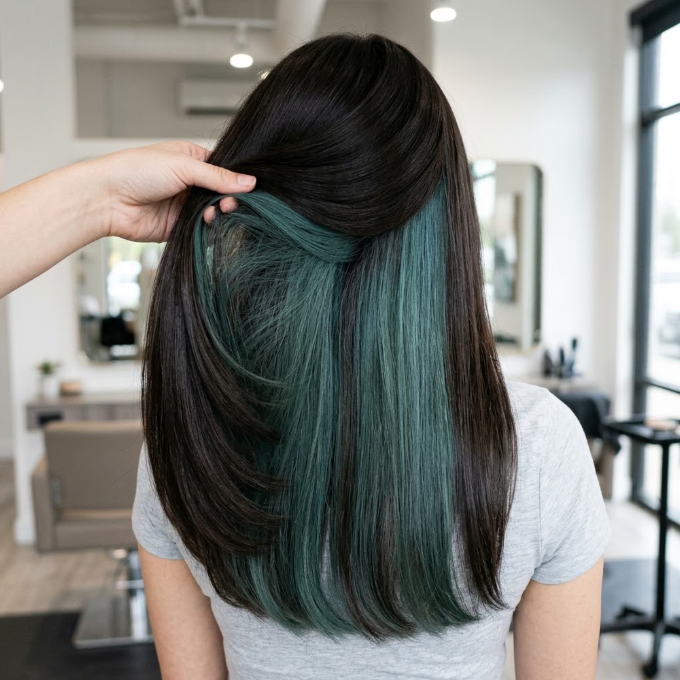
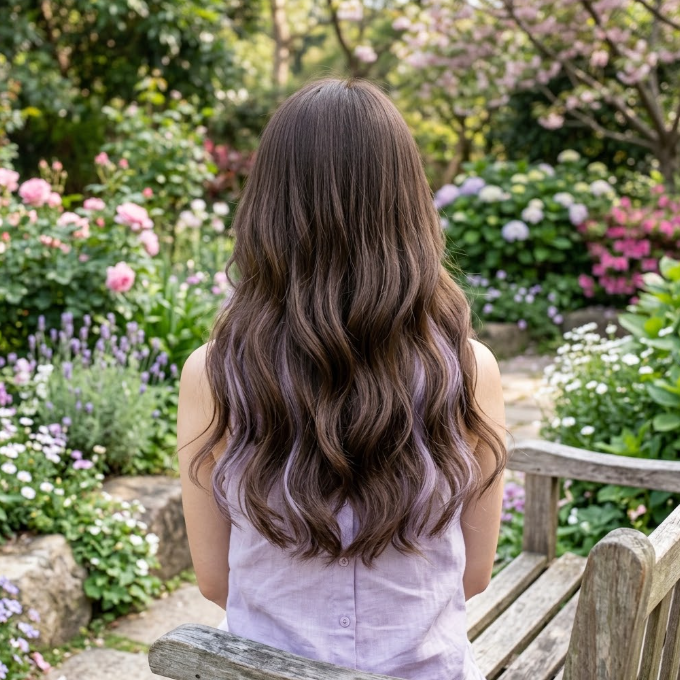
Color placed under the top layer, so it only shows when the hair moves or the part shifts. Often pink, green, lilac, or a deep red. The appeal is that it reads as a personal detail rather than an announcement — and it can be hidden completely for work.
20. Dusty Lilac or Teal Accents
For anyone wanting to go further: a misty purple or a muted teal placed in small sections rather than across the whole head. These are usually semi-permanent and fade over a few weeks, so the risk is low, and the payoff is high.
Best Spring Hair Colors for Black Women 2027
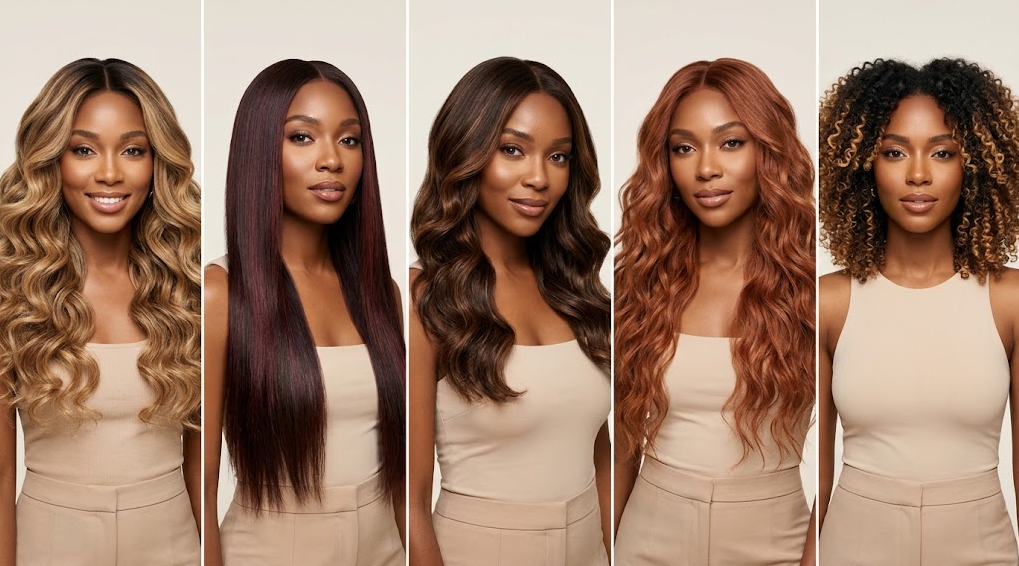
Spring hair color trends aren’t universal. Below are the top 5 spring 2027 shades hairstylists are prioritizing for Black women, plus who they flatter and key maintenance notes.
1. Raffia Blonde
Stuck choosing between blonde and brown? Raffia Blonde is this spring’s balanced winner. It’s a seamless blend of brown and pale blonde built with natural variation and textured melt. Its biggest strength is that it reads soft and neutral on mild spring days, and you can deepen it toward rich brown or brighten into golden blonde as summer rolls in.
2. Cherry Cola
Cherry Cola is the quiet showstopper for dark skin. Indoors, it presents as a deep, grounded reddish-brown, but once sunlight hits, vivid cherry red and soft plum-purple undertones emerge. It’s far from loud and artificial red and avoids the flatness of basic brown.
3. Warm Chocolate Brown
Warm chocolate brown hair color sits between jet black and light caramel, a gentle upgrade for anyone tired of heavy solid black. It holds rich depth while adding sunlit warmth, with faint caramel glints that catch the light and create movement. If dark shades feel too heavy and bright blonde feels intimidating, this is your perfect choice.
4. Terracopper
Terracopper is the earthy, luminous copper taking over for Spring. It mixes soft orange and bronze undertones with far more depth than bright orange ginger. It feels organic and wearable, not costume-like. This earthy warm red is made for warm and deep skin tones; it instantly wakes up your complexion for that healthy, glowing finish. It’s softer and less fiery than classic Cowboy Copper, making it a gentle entry point into copper tones.
5. Warm Golden Ombré Highlights
This is spring’s go-to low-upkeep brightening technique. Stylists start with a natural dark brown base, hand-painting honey-gold color starting mid-length down to the ends, plus face-framing golden strands to lift your features. The gradient is soft, so your dark roots grow out seamlessly with no ugly banding.
Best Hair Colors for Warm Spring
If your coloring runs warm — peachy or golden skin, light hair and eyes, often with golden freckles — you're what color analysts call a warm spring type, and the palette changes accordingly. The aim for a spring type is harmony, not contrast. The best shades add warmth and brightness in the same register as your skin:
Golden and honey blondes — warm, sunlit, never icy.
Warm beige blonde — soft and neutral, but still leaning warm.
Caramel and golden dark blonde — for anyone who prefers a deeper blonde.
Light copper, golden copper, and strawberry blonde — fresh and sunlit rather than deep or burgundy.
Soft auburn — red brought down with plenty of brown.
Caramel or honey highlights on brown hair — a way to brighten brunette without going blonde at all.
Just as useful is what to avoid. Cool, smoky, and very dark shades tend to fight a warm complexion rather than flatter it:
Ash blonde and platinum blonde
Silver and grey-based color
Blue-black and deep espresso black
Cool mushroom brown
There's a nuance worth knowing. Not every spring type is a textbook one. If you lean slightly warmer and darker, you can go a shade or two deeper — a caramel or golden dark blonde rather than a light one. If you lean slightly cooler, keep the roots warm but choose a more neutral or ash tone through the lengths, so the color doesn't turn brassy. The point of getting this right isn't to follow a rule. It's that when the color matches your natural warmth, you need less makeup to balance your face.
Popular Short Haircuts for Spring
Short hair is chosen by many people in every season. We’ve rounded up the top five trendy styles.
1. Polished Bob
This timeless, all-purpose bob suits every hair texture. Its signature is a rounded silhouette paired with soft internal layering to boost fullness and effortless movement.
2. Halo Crop
Built around your natural waves or curls, this cut uses rounded layers to create light, bouncy volume. It works with your hair’s natural texture instead of fighting against it.
3. Soft Shag
A romantic, loose take on the classic shag. It carries a subtle edge without harsh choppy lines, landing somewhere between undone texture and intentional style.
4. Micro Bob
Sitting just above the jawline, this is a striking cut. You can wear it with or without a short fringe.
5. Textured Pixie
An updated classic pixie with softened edges and built-in movement. It’s extremely low maintenance, and a little natural regrowth at the nape only improves the shape.
Professional Hair-Coloring Terms You Should Know
Most disappointing color appointments come down to language, not skill. A handful of terms will get you much closer to what you actually want:
Balayage — hand-painted color that creates a soft, root-free transition.
Babylights — very fine highlights that build a natural-looking blend. The micro version is used just around the face.
Root shadow/root melt — the base kept a shade or two darker near the scalp, which lowers contrast and stretches the time between visits.
Color melting — blending two or more colors so there's no visible line between them.
Invisible blending — a low-contrast root area, so regrowth looks intentional.
Color drenching — a single color over the whole head, with no lighter pieces. Bright or brown, but nothing layered in.
Gloss — a translucent top layer that adds shine, reduces yellow, and boosts saturation. The most underrated step in the whole process.
Face-framing highlights — brightening only the pieces around the face.
Hair contouring — using light and dark placement to flatter the shape of the face.
Lived-in color — a color designed so that the grow-out looks good too.
Toning — adjusting the warmth, coolness, or depth of a color after the main process.
Regrowth line — how obvious the new growth is. The single best predictor of how often you'll need to come back.
Get Blonde Without the Bleach for Spring 2027
Almost blonde comes with the same catch, and it's worth naming plainly. Getting from a dark base to buttery or linen blonde means lifting the hair, and lifting is both the most damaging thing you can do and the part that fades fastest. If you love the pale end of this season's palette but don't want to pay for it in your own hair, a lace wig is the practical way around it: you wear the color, and your natural hair stays untouched underneath.
The one worth knowing is a 150% density body wave frontal lace wig in 613 blonde. 613 matters here because it's the palest standard blonde — light enough to be toned down into the exact shades above, whether that's butter, creamy platinum, cool ash, or something warmer, instead of being stuck with one fixed color. The body wave gives the same soft, open movement as the mermaid and loose-curve styles further up, and it straightens back out if you'd rather have something sleeker.
You are one step away to access to our wholesale prices