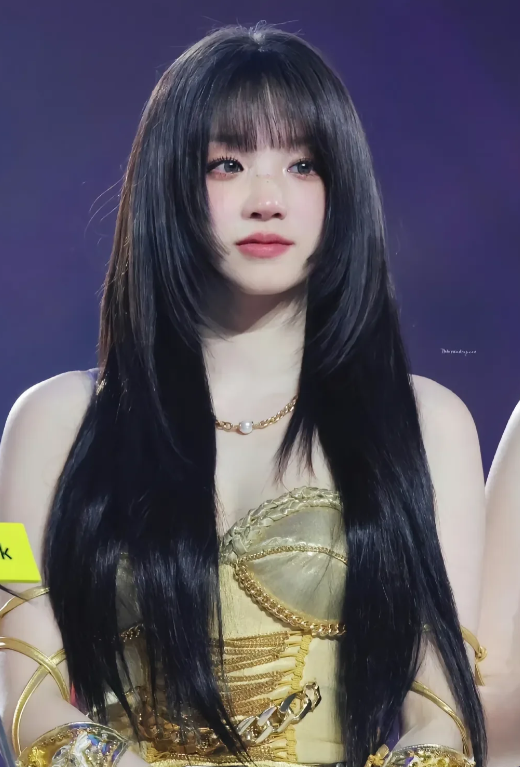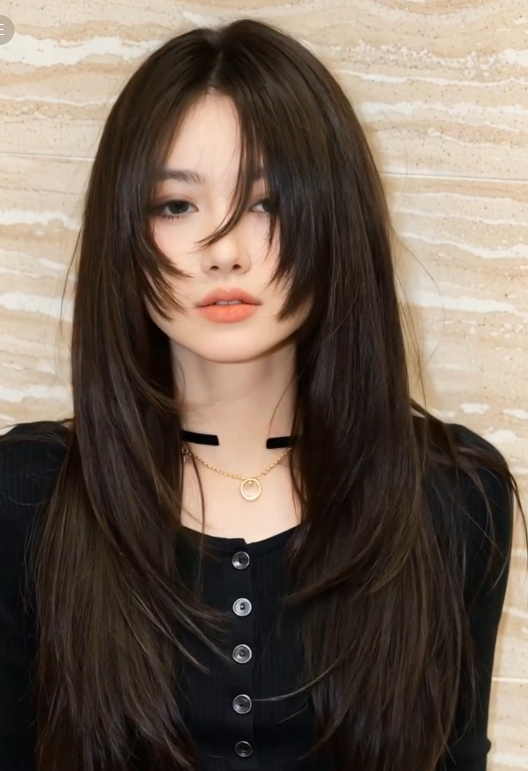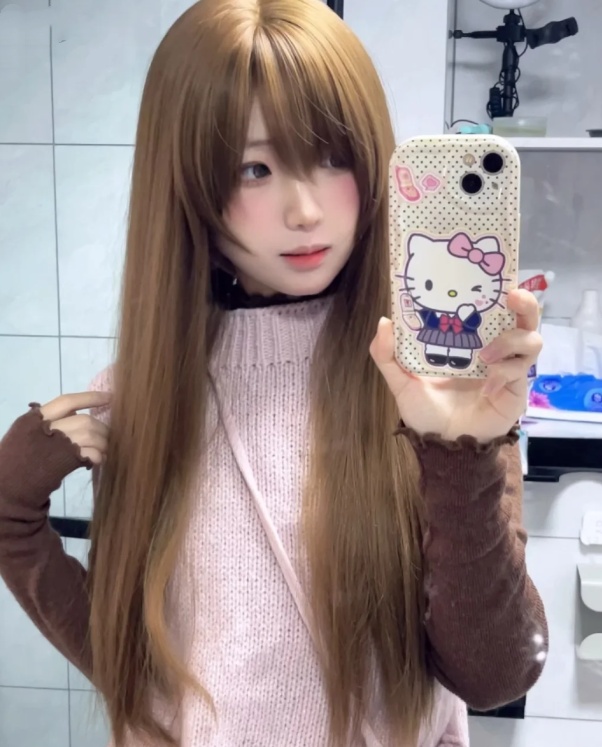

Straight hair stands out in 2026 because it prioritizes structure over styling, making it the clearest reflection of a high-quality haircut. Clean lines naturally elongate the face, reduce visual width, and create a smaller, more refined look while enhancing bone structure rather than hiding it. Unlike heavy curls that rely on constant maintenance, straight hair remains stable and polished in daily life, work, and photos, delivering a calm, high-end aesthetic that feels effortless and modern. Timeless, low-risk, and adaptable to different face shapes, straight hair aligns perfectly with the 2026 beauty standard—where precision, proportion, and natural elegance matter most.
How to Straighten Hair?
To achieve sleek, glossy, pin-straight hair, the process starts before you even touch a straightener. Preparation, drying, and heat control are what determine whether your hair looks smooth and healthy—or dry and damaged.
1. Prep with smoothing products
Wash your hair with a smoothing shampoo and conditioner to reduce frizz and help strands lie flat. While conditioning, gently detangle with a wide-tooth comb, then rinse with lukewarm water to keep the cuticle smooth.
2. Dry gently
Blot excess water using a microfiber towel or cotton T-shirt. Avoid rubbing, as friction enhances waves and frizz.
3. Apply heat protection
On damp hair, apply a heat-protectant or straightening spray evenly from roots to ends. This shields hair from damage and helps the style last longer.
4. Detangle and smooth
Use a boar-bristle brush to gently detangle and distribute the product. Boar bristles reduce static and help polish the hair surface.
5. Blow-dry to 80%
Blow-dry your hair until it’s about 80% dry, ideally using a diffuser for even airflow. Finish by air-drying until hair is completely dry—never straighten damp hair.
6. Section your hair
Divide hair into clean, manageable sections. This ensures even heat and prevents over-straightening the same areas.
7. Straighten correctly
Take small sections, hold them taut, and glide the straightener smoothly from root to tip. Use steady, controlled passes—no stopping mid-strand.
8. Control the heat
Fine or thin hair: 300–350°F (150–180°C)
Thick or coarse hair: slightly higher heat if needed
Always use the lowest effective temperature to avoid damage.
9. Finish and protect
Apply a lightweight hair serum to mid-lengths and ends to seal in moisture and prevent frizz. Use hairspray only where needed for hold.