

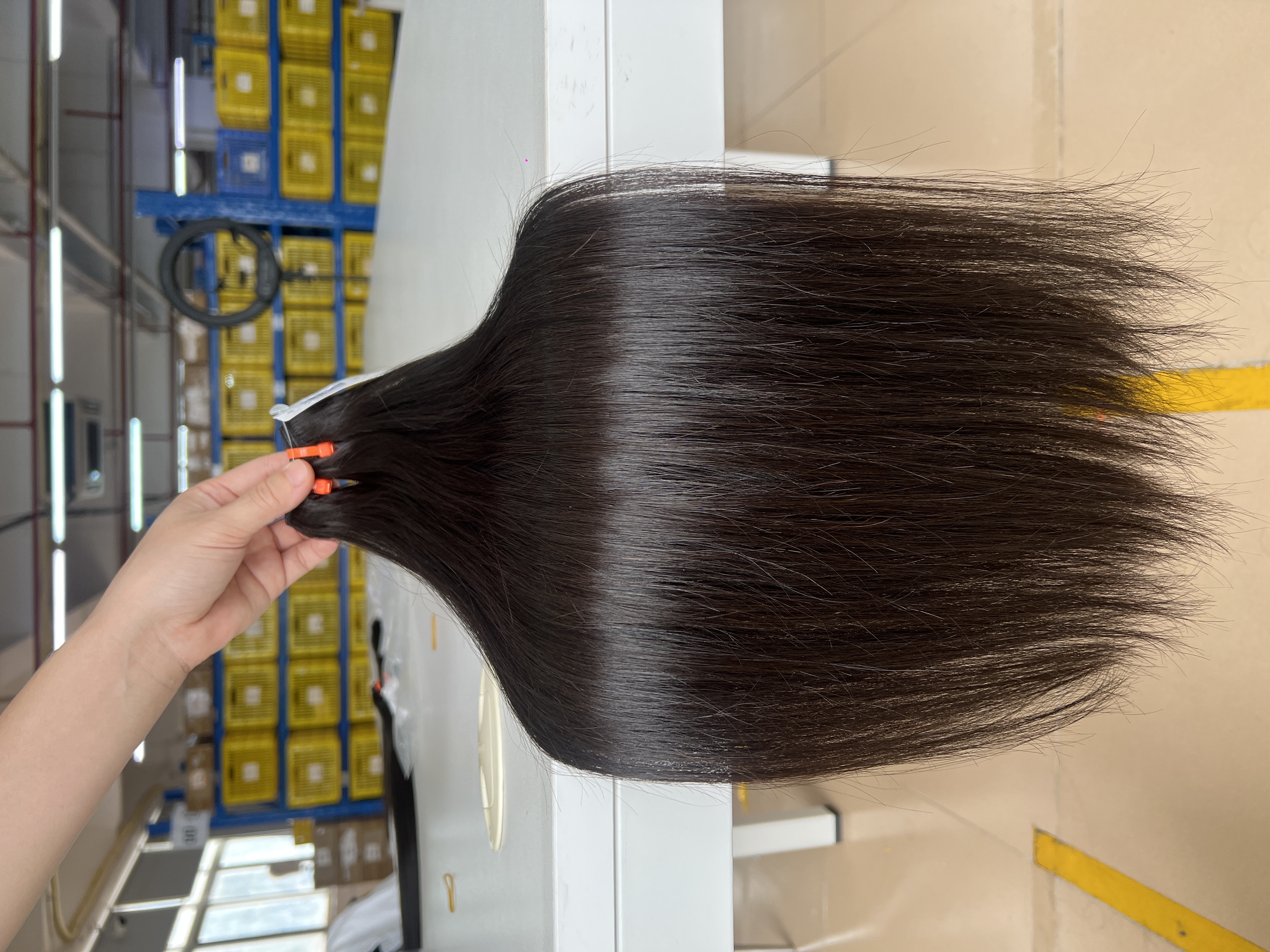
Luxurious Thai Raw Hair-Straight
What Causes Hair Breakage - How to Stop & Fix Hair Breakage
Whether you wear loose strands or long thick locks, nobody wants brittle, snapping hair. Hair breakage can become persistent and may even mimic permanent hair loss. While dealing with broken strands often brings frustration, the good news is most breakage is reversible. With targeted prevention and proper hair care, you can strengthen fragile hair over time. If you want instant length and volume instead of endlessly nursing damaged natural hair, visit HonestHairFactory for quality wigs and bundles. In this post, we break down what triggers hair breakage, how you can fix it at home, top product picks, and common questions about damaged hair.
What Causes Hair Breakage - Why Does Your Hair Break?
Hair breakage occurs when the protective outer cuticle lifts and fractures, making individual hair shafts snap anywhere along their length. It affects all textures: straight, wavy, curly, and coily hair alike. Many different habits, nutritional gaps, and health conditions contribute to this issue.
1. Over-processing & harsh chemical hair products
Frequent perming, bleaching, hair dye and relaxers break down hair’s inner structure. These chemicals pry open the cuticle, stripping natural moisture and weakening strands. Even some shampoos with high alkaline pH increase friction between hair fibers, raising your risk of snapping. Try to leave at least 8–10 weeks between chemical services whenever possible.
2. Heat styling damage
Blow dryers, flat irons, and curling wands burn away moisture and erode the hair cuticle. Hot weather and dry climates also dehydrate strands. Repeated heat exposure slowly makes hair rigid and brittle.
3. Improper brushing and over-combing
The old myth that you need 100 brush strokes daily is not true. Brushing too hard, brushing wet tangled hair, or using plastic brushes that create static can snap strands. Wet hair stretches more easily and has far less tensile strength than dry hair.
4. Tight hairstyles & tension
Tight ponytails, cornrows, tight braids, and stiff rubber bands put constant pull on your hair. This tension creates breakage at the hairline, crown, and wherever the hair tie sits. Over long periods, repeated tension can lead to traction alopecia, which may turn permanent if ignored. Never braid soaking wet hair; wet strands stretch, and as they dry and shrink, the tension easily snaps curls.
5. Dryness and lack of moisture
Dry, low-humidity environments, wind, UV sun exposure, and chlorine from swimming pools all suck moisture out of hair. Damaged cuticles cannot lock in hydration, leaving hair coarse, frizzy, and prone to split ends. Always rinse hair before swimming and use a swim cap to block chlorine buildup.
6. Nutrient gaps and eating disorders
Hair relies on steady nutrition to stay strong. Dieting, picky eating, and disordered eating disrupt nutrient intake. Deficiencies in iron, biotin, zinc, selenium, omega-3 fatty acids, vitamin C, and B vitamins all weaken hair shafts. Severe malnutrition can stop healthy hair growth entirely.
Note: Too much protein treatment is also a common mistake. Protein overload makes hair stiff and brittle. Protein treatments must always be balanced with moisture; use them sparingly, not weekly.
7. Chronic mental stress
Long-term stress spikes cortisol levels, disrupting the hair growth cycle. This can trigger telogen effluvium, where follicles shift prematurely into resting phase. You will notice both shedding and breakage. When stress eases, hair usually recovers, though it takes months.
8. Skipping regular trims
Split ends do not stay only at the tips. Once the cuticle splits, the crack creeps upward along the hair shaft, causing breakage higher up. Even if you are growing your hair out, routine trims stop splits from spreading.
9. Rough towel drying & everyday friction
Rubbing wet hair vigorously with a standard bath towel creates friction and tears cuticles. Other friction triggers include bag straps dragging across strands, rough cotton pillowcases, tight hats, glasses arms, and constantly tucking hair behind your ears.
10. Underlying medical conditions
Thyroid disorders are a well-known culprit. Hypothyroidism often brings dry, dull, brittle hair alongside nail changes, fatigue, or unexpected weight shifts. If your hair keeps breaking despite perfect hair care habits, talk to a doctor for bloodwork. Rare conditions such as trichorrhexis nodosa also make hair shafts weak and fragile.
How to Stop and Fix Hair Breakage?
There is no magic product that glues split ends back together. But these home care steps can halt new breakage, smooth damaged cuticles, and rebuild hair’s flexibility over time.
1. Prioritize moisture and deep conditioning
Dryness is the biggest driver of brittle hair. Use a weekly hair mask or deep conditioner to flood strands with hydration. Leave-in conditioners are fantastic for curly and coily hair; apply after washing to add slip before detangling. Hair serums and steam treatments also seal moisture into cuticles. Focus conditioner only on mid-lengths and ends, not the scalp.
2. Detangle and comb your hair the right way
Ditch plastic combs. Choose wide-tooth wooden or horn combs. Always detangle starting from the ends, working slowly upward toward the scalp. Do not yank through knots. Only brush as much as needed for styling; skip unnecessary brushing. If your hair is wet, add leave-in conditioner first to reduce pulling.
3. Cut back heat styling and always use heat protectant
Give your hair heat-free days as often as possible. When you must use hot tools, spray heat protectant all over first. Lower the temperature setting on flat irons and curling wands. Let hair air dry partially before blow-drying; avoid blasting fully wet hair with high heat.
4. Change how you dry wet hair
Never rub wet hair with a towel. Blot gently using a microfiber towel or soft cotton T-shirt, then wrap it to soak up extra water. Air dry when you can. Wet hair is extremely fragile, so limit manipulation while damp.
5. Get regular small trims
Schedule a light trim every 6–8 weeks. This removes split ends before they travel up the strand. This step helps you retain length, even though it feels counterintuitive when you want longer hair.
6. Loosen up hairstyles and swap hair ties
Stop using rubber elastic bands with metal clasps. Switch to fabric scrunchies or seamless soft hair ties. Alternate loose hairstyles, avoid wearing tight ponytails/braids every single day, and do not tie hair in exactly the same spot repeatedly.
7. Fix your diet to feed hair from within
Add foods rich in iron, zinc, omega-3s, B vitamins, vitamin C, and selenium. Leafy greens, eggs, fatty fish, nuts, Brazil nuts, and fresh fruits all support hair strength. Stay hydrated, too. If you suspect a nutrient deficiency, ask your doctor for blood tests before starting high-dose supplements. Remember: protein overload can be just as harmful as too little protein, so balance protein treatments with moisture.
8. Reduce friction during sleep
Sleep on a satin or silk pillowcase, or wear a loose silk bonnet overnight. If you braid hair before bed, make it loose. Never sleep with soaking wet hair.
9. Manage stress levels
Daily stress relief practices such as meditation, gentle yoga, and deep breathing can lower cortisol. Scalp massage is a nice bonus; it boosts circulation and helps you unwind. If you notice sudden heavy shedding paired with breakage, seek medical advice.
10. Choose gentle hair products
Pick a sulfate-free, low pH shampoo. Shampoo only your scalp, not your whole hair length. Avoid products loaded with alcohol, heavy fragrance, or harsh drying ingredients. Wash only as often as your scalp type needs. Oily scalps may need more frequent washing, while dry hair can wait longer between washes.
Important note: If breakage continues after 2–3 months of consistent gentle care, visit a healthcare provider to rule out thyroid disease or other medical causes.
Best Products for Hair Breakage
You do not need dozens of expensive products. These core items will support fragile, breaking hair:
Sulfate-free, pH-balanced gentle shampoo: Cleans scalp without stripping natural protective oils.
Rinse-out conditioner: Must-have for every wash, adds slip and smooths lifted cuticles.
Deep conditioning hair mask: Weekly treatment with shea butter, argan oil, keratin, or hydrolyzed proteins to replenish dry strands.
Leave-in conditioner: Reduces tangling, adds elasticity, perfect for curly hair.
Heat protectant spray/lotion: Forms a barrier before flat iron or blow dryer use.
Lightweight hair oil (argan, jojoba oil): Seals moisture at the ends; use sparingly to avoid greasiness.
Wide-tooth wooden comb / natural bristle brush: Gentle detangling without static.
Silk scrunchies & silk pillowcase: Cut friction and tension breakage.
Hair Breakage vs Hair Loss
These two get mixed up all the time, but they are completely different issues.
Hair breakage: The hair shaft snaps somewhere along the strand. The root stays safely in your scalp. Broken hairs are often uneven, short, frizzy flyaways, and split ends. It comes from physical or chemical damage. Hair follicles remain healthy, so new hair keeps growing from the scalp.
Hair loss (shedding): The entire strand falls out, root and all. You see full hairs with a little white bulb at one end. Shedding can come from hormone shifts, thyroid disease, nutrient deficiency, telogen effluvium, androgenetic alopecia, or traction alopecia.
It is possible to have both breakage and shedding at the same time. If you see clumps falling out with visible roots, consult a doctor instead of only adjusting hair products.
What Deficiency Causes Hair Breakage
Multiple nutrient deficiencies weaken hair shafts and lead to easy breakage:
Iron deficiency (very common): Low iron reduces oxygen delivery to follicles, creating thin, brittle strands.
Biotin (Vitamin B7) deficiency: Linked to fragile hair and excessive breakage.
Zinc deficiency: Impairs hair growth and cuticle health.
Selenium deficiency: Selenium supports hair, but too much selenium also triggers hair loss/breakage.
Omega-3 fatty acid deficiency: Lacks the lipids hair needs to stay flexible.
Vitamin C: Helps your body absorb iron and build collagen for hair strength.
Vitamin D: Low levels are associated with weaker hair and shedding.
Supplements are not a quick fix. Always test your nutrient levels first under medical supervision. Over-supplementation (too much vitamin A, selenium, or vitamin D) can actually worsen hair damage.
How Do I Stop My Hair from Breaking Off at the Crown?
Crown breakage shows up as a halo of short, wispy flyaways right at the top of your head. The main triggers are repeated tension from high ponytails/buns, heavy extensions, over-brushing, heat styling directly on the crown, and friction from hats.
Follow these steps:
1. Stop tight high ponytails and top knots for at least 4–6 weeks. Change up your hairstyle so you do not pull the crown hair constantly.
2. Avoid brushing aggressively at the crown. Detangle gently in sections.
3. Use heat protectant and lower heat settings if styling the crown area.
4. Apply lightweight leave-in conditioner or serum on the crown flyaways daily to add flexibility.
5. Trim any severely broken split strands.
6. If you wear hair bundles or extensions, choose lightweight options and avoid heavy installs that pull down on the crown.
7. Sleep with a silk bonnet or silk pillowcase to reduce overnight friction at the crown.
8. Be patient. The new healthy hair growing at the crown will take several months to grow longer.
What Type of Hair Extensions Are Best for Broken Hair?
If your natural hair is fragile and breaking, heavy extensions will worsen tension and cause more damage. You should pick lightweight options that minimize pulling on your existing strands. From HonestHairFactory’s hair bundles collection, these are many great choices.
Thin weft human hair bundles: Thin weft bundles lay flat and weigh less than standard thick wefts. They put far less downward tension on your natural hair. If installed correctly with minimal pulling, thin weft bundles add length and volume without straining fragile strands. Always ask your stylist to avoid tight installation, and do not leave them in beyond 2–3 months.
Virgin human hair bundles: Virgin hair has intact cuticles, so it is soft and less prone to tangling. Tangled extensions create extra pulling during brushing, which breaks your natural hair. Virgin bundles are easy to maintain, require less aggressive detangling, and match your natural hair texture smoothly.
Note: Extensions do not fix breakage. They are a cosmetic solution to cover damaged hair visually. If your natural hair is severely broken at the crown or hairline, take a break from extensions first while you repair your hair. Improper installation can lead to permanent traction alopecia.
You are one step away to access to our wholesale prices