

What Causes Static Electricity in Hair - How To Get Rid of Static Hair
As the saying goes, "I will be ugly as long as the winter lasts". Needless to say, the key is that the hair is always fried! No matter how beautiful the hairstyle is, at the moment when you take off your hat and scarf, Black Changzhi turns into an explosive head. The Golden Lion King is just like this! Especially when the hair is pasted on the face intimately, it is impossible to get it down, which makes people crazy. The culprit of all this is static electricity. In today’s guide, we are going to be showing you some tips for getting rid of static from hair.
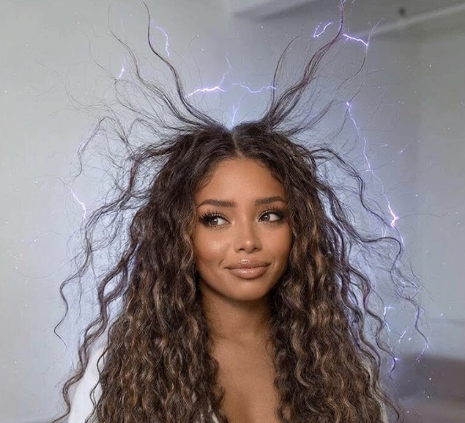
What Is Static Hair?
Static hair occurs when your hair develops an electrical charge, causing individual strands to repel one another. To understand why this happens, it helps to look at the basics of electricity.
Everything around us is made of atoms, which contain positively charged protons, neutral neutrons, and negatively charged electrons. When hair gains or loses electrons—often through friction with clothing, brushes, hats, or other materials—it can become electrically charged.
What Causes Static in Hair?
In winter, the air is dry and static electricity is everywhere. It will not only make you have the most fashionable hair style in winter, but also damage your hair. Because static electricity will open the hair scales, increase the friction of the hair, thus accelerating the passage of moisture in the hair, making your hair very irritable. And the hair is more likely to generate static electricity because it is dry and impetuous, and the static electricity makes your hair more dry, and finally a vicious cycle. In addition, static electricity will make your hair have a strong adsorption. Dust and impurities in the air, such as dirty, smelly, harmful, and even automobile exhaust, will be adsorbed on the hair and scalp, causing itching and lusterless hair, further aggravating hair loss, and wigs are also more easily damaged.
How To Remove Static From Hair?
1. Keep the moisture content of hair
Shampoo with certain moisturizing effect can be selected for winter shampoo, which can fully nourish the hair. However, the moisturizing power of a single shampoo is limited, so after hair cleaning, you can choose conditioner, hair film, hair care essential oil, etc. for secondary care of the hair tail to lock water, enhance the anti-static effect, and also make the hair soft, smooth and easy to care. Try to avoid high temperature when blowing hair. Use medium and low grade warm air to blow the hair half dry. Pay attention to keeping a certain distance between the hair dryer and the hair, and try to dry the rest naturally.
In addition, wigs should be cared more carefully than their real hair. When cleaning the wig, use about 30 degrees of warm water (avoid excessive water temperature) to add neutral shampoo and stir, and then put the wig into water for soaking. Do not rub the wig hard during cleaning to avoid injury to the wig. After cleaning, you can add conditioner to moisten the hair, or a special conditioner for wigs to keep the hair moist. However, try not to use a hair dryer. It is better to dry the wig in a cool place after absorbing the moisture. However, compared with your hair, you can wash the wig once every one to two months.
2. Throw away your plastic comb, whether it is real hair or wig
Plastic combs will not calm your hair down, but will make static electricity more rampant. If economic conditions permit, you'd better replace your comb with a round and mild boxwood, ox horn comb and other combs that can prevent static electricity. Wood combs, horn combs, etc. can not only effectively reduce the generation of static electricity, but also massage the scalp and promote blood circulation. If the hair is dry and rough, you can apply some wash free conditioner or hair care spray on the hair before combing it to increase its softness, and then gently comb the hair. In addition, when combing wigs, it is best to choose a wide tooth comb, and comb from the oblique side up to down. Don't comb the knotted part forcibly, otherwise the hair on the wig may break. It is better to spray maintenance liquid and comb it gently.
3. In addition to anti-static for the hair itself, it is also important to keep the air humidity
When the relative humidity in the air is less than 40%, static electricity will form. Therefore, it is better to prepare a humidifier indoors in winter, or plant some flowers and plants at home, place a pot or two of clean water on the ground, etc., which can also achieve the effect of humidification. In addition, the room should also be regularly ventilated.
4. Clothes and fabrics are also important. Clothes made of chemical fibers are most likely to generate static electricity
So always try to wear cotton, linen and silk clothes, especially intimate underwear. It is better to use fabric softener when washing clothes. Sleeping pillows can be replaced with silk pillowcases, pillowcases, etc. Because silk pillows can not only reduce the friction between hair and pillows, but also enhance the vitality of scalp cells. The most important thing is to prevent you from becoming an explosive head when you get up in the morning.
Why Is My Hair Static After Brushing?
If your hair becomes static after brushing, friction is usually the main cause. As the brush moves through your hair, friction can transfer electrons between the brush and individual hair strands. This can leave the strands with similar electrical charges, causing them to repel one another.
The effect is often stronger when your hair is dry, damaged, or lacking moisture, and when the air is dry. Plastic brushes and combs can also generate more static through friction. Using a moisturizing conditioner, a leave-in treatment, or a brush made from materials that produce less static can help reduce flyaways.
Why Is My Hair Static After Washing?
Hair can become static after washing when it is too dry or has lost too much moisture during the washing and drying process. Hot water, frequent shampooing, harsh cleansing products, and excessive blow-drying can leave the hair surface drier, making it easier for electrical charges to build up.
Static may be particularly noticeable after washing in cold or dry weather, when there is little moisture in the air to neutralize the electrical charge. If your hair feels dry and static after washing, try using a moisturizing shampoo and conditioner, avoid very hot water, gently squeeze out excess water instead of rubbing your hair with a towel, and apply a leave-in conditioner before drying.
Static Hair vs Frizz, What’s the Difference Between?
Static hair and frizz can both make your hair look unruly, puffy, and difficult to manage, but they happen for different reasons.
Frizz is mainly related to moisture and humidity. When dry or damaged hair absorbs moisture from humid air, the hair shaft can swell and change shape, causing individual strands to bend, curl, or stick out. This is why frizz is often more noticeable during humid summer weather.
Static hair is caused by an electrical charge. Friction can cause hair to gain or lose electrons, and when the strands develop the same charge, they repel one another. Static is more common when the air is cold and dry, because there is less moisture available to help dissipate the charge.
| Static Hair | Frizz |
|---|---|
| Caused by electrical charge | Caused largely by moisture and humidity |
| More common in cold, dry weather | More common in humid weather |
| Hair strands repel each other | Hair absorbs moisture and changes shape |
| Hair may cling to clothes or stand up | Hair may look puffy, rough, or curly |
| Often worsened by friction and dryness | Often worsened by humidity and hair damage |
How to Choose Static Hair Shampoo?
Best shampoo for static hair should primarily focus on hydration and reducing dryness, because dry hair and low humidity make static worse. We'd recommend positioning the shampoo as a moisturizing/anti-static shampoo and looking for ingredients such as:
Glycerin – helps attract and retain moisture.
Aloe vera – provides lightweight hydration.
Panthenol (pro-vitamin B5) – helps improve softness and manageability.
Argan, coconut, or jojoba oil – helps smooth dry strands.
Conditioning agents such as cationic ingredients – help reduce friction and flyaways.
How to Choose an Anti-Static Hair Comb?
When choosing a static electricity hair comb, look for a material and design that minimize friction and help distribute natural oils through the hair.
Choose carbon, wood, or other anti-static materials: These are generally better choices than inexpensive plastic combs, which can create more friction and static.
Look for smooth, rounded teeth: Smooth edges glide through the hair more gently and reduce friction and pulling.
Choose wide-tooth designs for curly or thick hair: Wider spacing helps detangle without disturbing the natural curl pattern or creating unnecessary friction.
Consider a compact comb for touch-ups: A small anti-static comb is convenient for controlling flyaways throughout the day.
Best for: Anyone who notices static immediately after brushing or combing.
How to Choose an Anti-Static Hair Spray?
An anti static electricity hair spray is one of the easiest options when you need to control static quickly. Look for a lightweight formula that provides hydration and smoothing without making the hair stiff or greasy.
Prioritize moisturizing ingredients: Glycerin, aloe vera, panthenol, and lightweight oils can help reduce dryness.
Choose a lightweight formula: Heavy sprays can flatten fine hair or leave buildup.
Look for anti-frizz and smoothing benefits: Products designed to control flyaways can also help manage static.
Consider heat protection: If you regularly blow-dry or heat-style your hair, a spray that also offers heat protection can be more practical.
Choose a fine mist: A fine, even spray makes it easier to target static without soaking the hair.
Best for: Immediate static control, especially when you're away from home.
How to Choose an Anti-Static Hair Brush?
The right anti static electricity hair brush can help prevent static while you detangle and style your hair.
Choose natural bristles or anti-static materials: They can help reduce the friction associated with traditional plastic brushes.
Look for smooth, flexible bristles: They should move through the hair without excessive pulling or snagging.
Match the brush to your hair type: Paddle brushes work well for straight or long hair, while brushes with more widely spaced bristles can be better for thick or curly hair.
Avoid excessive brushing: Repeated friction between the brush and hair can increase static, particularly when the hair is dry.
Consider a vented brush if blow-drying: It can improve airflow and reduce drying time, which may help prevent excessive moisture loss.
Best for: People who experience static every time they brush their hair.