

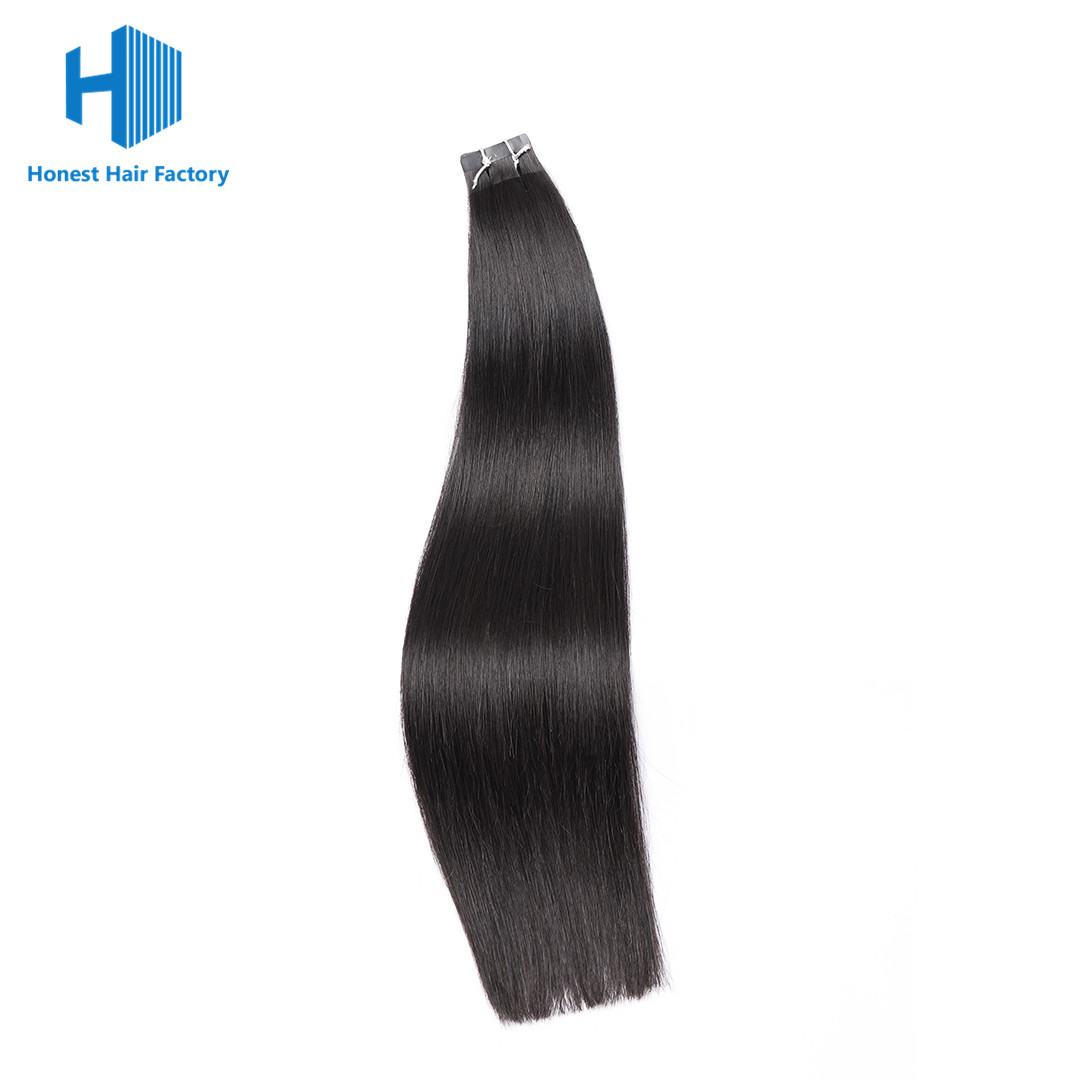
Wholesale Straight 12"-30"Tape In Extension 1B#
What is a Hair Weave - Difference Between Wigs and Weaves
To meet the diverse fashion and functional requirements of different people, there are various hair products available. Wigs and weaves are two of the most popular options, but they’re often confused for one another. In this article, we’ll break down what wigs and weaves are, their common types, key differences, and how to choose the better one for you.
What Is a Hair Weave?
A hair weave is a method of integrating hair extensions into your natural hair to increase length, volume, or texture. Unlike standalone hairpieces, weaves are attached directly to your existing hair, creating a seamless blend that looks like it’s part of your natural locks. They’re typically made from either human hair or synthetic fibers, each offering different levels of durability and styling flexibility. Weaves are considered a protective style because they shield your natural hair from heat, chemicals, and daily wear, allowing it to grow without damage. Honesthairfactory.com is a reliable and professional hair vendor, providing human hair weave wholesale to worldwide clients.
Common Types of Weaves
Sew-in Weave: The most popular and durable type. Your natural hair is braided into small cornrows close to the scalp, and hair wefts (long strips of hair) are sewn onto these braids using a curved needle and thread. Sew-ins can last 6–8 weeks with proper care and are ideal for those wanting a long-term style. They work best for people with enough natural hair to braid securely.
Bonded/Glued Weave (Quick Weave): A faster, more temporary option. Hair wefts are attached to your natural hair or a protective cap using a specialized adhesive. This method takes less time to install (often under an hour) but lasts only 2–4 weeks. It’s budget-friendly but requires careful removal to avoid damaging your natural hair.
Fusion Weave: A method that uses small strands of extension hair bonded to your natural hair. Hot fusion uses heat to melt a keratin bond, while cold fusion (micro-link) uses tiny metal beads to clamp extensions in place—no heat required. Fusion weaves offer an ultra-natural look (strands blend individually) but are time-consuming to install and more expensive.
Net Weave: A protective variation where a thin net is placed over your braided natural hair before sewing in wefts. The net adds extra security, distributes tension evenly, and reduces the risk of breakage—ideal for those with fragile hair.
Clip-in Weave: A temporary, DIY-friendly option. Wefts come with built-in clips that attach directly to your natural hair—no braiding or glue needed. Clip-ins can be added or removed in minutes, making them perfect for special occasions or occasional style changes. They cause minimal damage and are great for beginners.
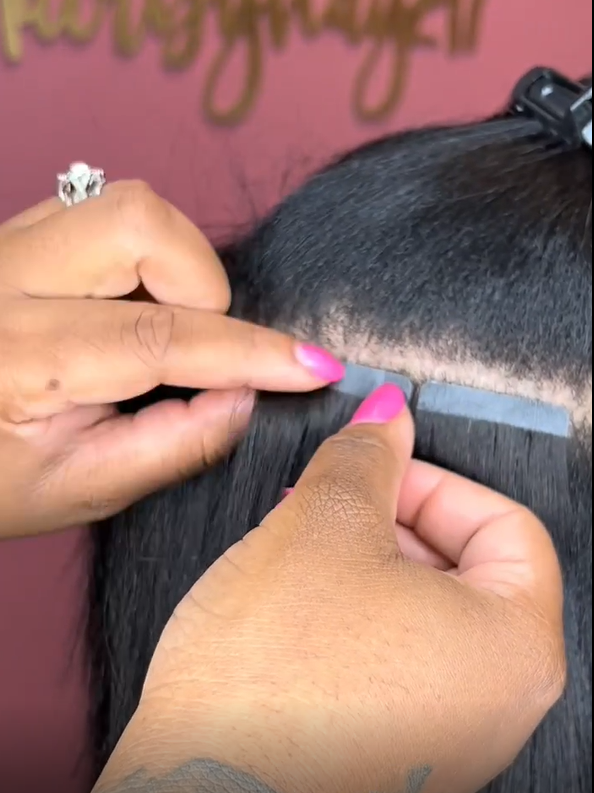
Tape-in Weave: Thin, pre-taped wefts are pressed onto small sections of your natural hair. They lie flat against the scalp, making them undetectable, and last 4–6 weeks. Tape-ins are easy to maintain and work well for those with fine or medium hair.
What Is a Wig?
A wig is a full hairpiece consisting of hair (human or synthetic) attached to a base cap that covers your entire scalp. Unlike weaves, wigs are standalone products; they don’t rely on your natural hair for attachment. You can wear them over your natural hair or directly on the scalp (for those with complete hair loss). Wigs offer instant transformation, allowing you to switch styles, colors, and lengths in minutes without altering your natural hair.
Common Types of Wigs
1. By Hair Material:
Human Hair Wigs: Made from 100% real human hair, these wigs offer the most natural look and feel. They can be styled with heat tools (curling irons, straighteners), dyed, and treated just like your natural hair. They’re durable (lasting 6–12 months with care) but come with a higher price tag.
Synthetic Wigs: Crafted from man-made fibers designed to mimic natural hair. They’re more affordable, come pre-styled (so they hold their shape after washing), and require minimal maintenance. However, they can’t withstand high heat and have a shorter lifespan (3–6 months with regular wear).
Heat-Friendly Synthetic Wigs: A middle ground—synthetic fibers that can handle low heat (up to 350°F/175°C). They offer styling flexibility without the cost of human hair.
2. By Cap Construction
Lace Front Wigs: Feature a sheer lace panel along the front hairline. Hair fibers are tied individually to the lace, creating the illusion of hair growing directly from your scalp. Lace fronts offer a natural hairline and can be styled in updos (as long as the back of the cap is secure). They’re popular for everyday wear and special events.
Full Lace Wigs: Made entirely of lace, these wigs allow parting anywhere on the scalp. You can style them in high ponytails, braids, or any updo without revealing the cap. They’re lightweight and breathable but more delicate and expensive than other options.
Monofilament Wigs: Have a thin, transparent monofilament panel (usually at the crown or part line) where hair fibers are tied individually. This creates a realistic scalp appearance, making them ideal for those with thinning hair or sensitive scalps. They’re comfortable and natural-looking but less breathable than lace wigs.
Basic Cap/Wefted Wigs: The most affordable option, with hair sewn into horizontal wefts on a mesh cap. They’re lightweight and voluminous but offer limited parting options and a less natural scalp look. Great for beginners or those on a budget.
Hand-Tied Wigs: Each hair fiber is hand-tied to the cap, creating movement similar to natural hair. They’re soft, comfortable, and natural-looking but more expensive than wefted wigs.
3. By Attachment Method:
Glueless Wigs: Secured with adjustable straps, clips, or combs—no glue or adhesive needed. They’re easy to install and remove, making them perfect for beginners or those with sensitive scalps.
Glue-On Wigs: Require wig glue or tape to attach the front hairline for a secure, long-lasting fit. They’re ideal for active lifestyles but require careful application and removal to avoid scalp irritation.
Differences Between Weaves and Wigs
Hair weaves and wigs come in various types, constructions, and uses.
| Aspect | Weaves | Wigs |
|---|---|---|
| Attachment | Integrated into natural hair (sewn, glued, taped, or clipped to existing hair). | Worn over the entire scalp as a standalone cap—no attachment to natural hair. |
| Reliance on Natural Hair | Requires at least some natural hair to attach to (except clip-ins, which need minimal hair). | No reliance on natural hair—works for those with thinning hair or complete baldness. |
| Application | Often requires professional installation (sew-ins, fusion, tape-ins) to ensure security and avoid damage. Clip-ins are DIY-friendly. | Most wigs are DIY-friendly (glueless options take minutes to put on). Lace fronts/full lace may need professional help for a seamless fit. |
| Removal | Sew-ins, fusion, and tape-ins require professional removal to avoid breakage. Bonded weaves and clip-ins can be removed at home. | Easy to remove—simply take off the cap (glueless wigs) or gently peel off glue-on styles. |
| Longevity | 2–8 weeks (depending on type: clip-ins last for occasional use, sew-ins for 6–8 weeks). | 3–12 months (synthetic: 3–6 months; human hair: 6–12 months with proper care). |
| Styling Flexibility | Styled like natural hair (can be curled, straightened, braided) but limited to the integrated length/volume. | Unlimited—switch styles, colors, and lengths instantly. Human hair wigs offer full styling freedom; synthetic wigs are pre-styled. |
| Natural Look | Seamless blend with natural hair (when installed correctly), but may show tracks if not hidden. | Lace front/full lace wigs offer a hyper-natural look; basic caps may look less realistic if not styled properly. |
| Maintenance | Requires regular washing (every 1–2 weeks), scalp moisturizing, and salon touch-ups to prevent tangling and tension. | Human hair wigs need washing every 7–10 wears, conditioning, and styling. Synthetic wigs wash every 10–15 wears and air-dry quickly. |
| Tension on Scalp | Risk of tension (and traction alopecia) if braided too tightly or installed incorrectly. | Minimal tension—glueless wigs use adjustable straps, and lace caps are breathable. Heavy wigs may cause mild discomfort for extended wear. |
| Cost | Cost less initially. Ongoing costs for maintenance and replacement wefts. | High-quality human hair wigs come with higher prices. No ongoing maintenance costs beyond care products. |
Wig vs. Weave: Which One to Choose
The choice between a wig and a weave depends on your lifestyle, hair goals, natural hair condition, and budget.
Choose a Weave If:
You have enough natural hairto attach the weave (at least 2–3 inches of length for sew-ins/tape-ins).
You want a long-term, low-effort style(no daily application/removal). Sew-ins, tape-ins, or fusion weaves stay in place for weeks.
You prefer a seamless blend with your natural hair. Weaves look like an extension of your locks, so they’re great if you want to enhance your current style without a full transformation.
You’re looking for a protective style to grow out your natural hair. Weaves shield your hair from heat, chemicals, and friction, promoting healthier growth.
You want to avoid full scalp coverage. If you like showing off some of your natural hair (e.g., a side part or baby hairs), weaves let you integrate extensions while keeping your natural hair visible.
Choose a Wig If:
You have thinning hair or complete hair loss. Wigs cover your entire scalp, providing confidence and full coverage for bald spots or thinning areas.
You love experimenting with styles. Wigs let you switch from a short bob to long curls, or from black to red hair, in minutes.
You want convenience and flexibility. Glueless wigs take 5 minutes to put on, making them ideal for travel, last-minute events, or days when you don’t have time to style your hair.
You have fragile or damaged hair. Wigs don’t put tension on your natural hair, so they’re safe for those recovering from breakage, chemical damage, or medical treatments (e.g., chemotherapy).
You prefer low-maintenance styling. Synthetic wigs come pre-styled—wash, air-dry, and wear. Human hair wigs offer more flexibility but still require less upkeep than weaves (no salon visits for installation).
You want to control your look in different settings. Wear a professional bob to work, a curly wig for a night out, and a natural-looking lace front for everyday—all with the same wig collection.
You are one step away to access to our wholesale prices