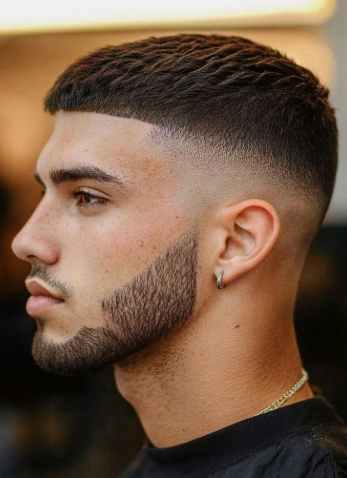
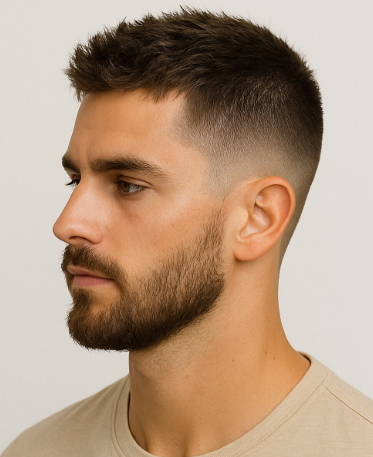
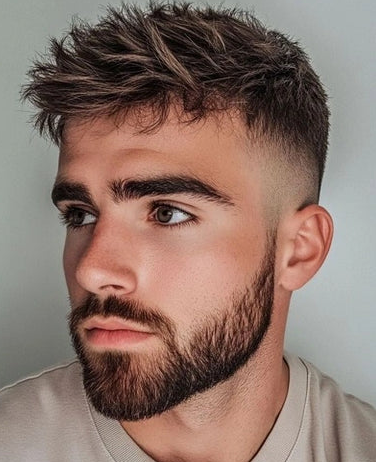
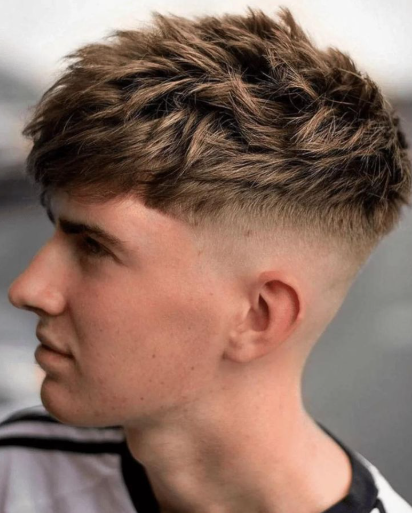
Best Haircuts for Receding Hairline Men 2026, What to Do & Avoid
A receding hairline is one of the most common concerns for men—but the right haircut can make a huge difference. In 2026, modern hairstyles focus on blending, texture, and low maintenance, helping you look sharper and more confident without stressing about hair loss. In this guide, we’ll break down the 2026 best haircuts for receding hairline men, including styles that minimize thinning areas and even options that work perfectly with hair systems or wigs for a fuller look.
Top 15 Best Haircuts for Receding Hairlines 2026
A receding hairline in men is primarily caused by androgenetic alopecia, commonly known as male pattern baldness, a genetic condition that makes hair follicles sensitive to a hormone called dihydrotestosterone (DHT). DHT binds to receptors in the scalp, causing affected follicles to gradually shrink over time (a process called follicular miniaturization), which results in shorter, finer hair with a shorter growth cycle until they eventually stop producing visible hair altogether. While genetics is the dominant factor, other contributors can accelerate or exacerbate the recession, including natural aging, high stress levels, nutritional deficiencies (such as low iron or vitamin D), hormonal changes, and certain medical conditions or medications. Therefore, you'll need our guide to pick the best male hairstyles for receding hairlines.
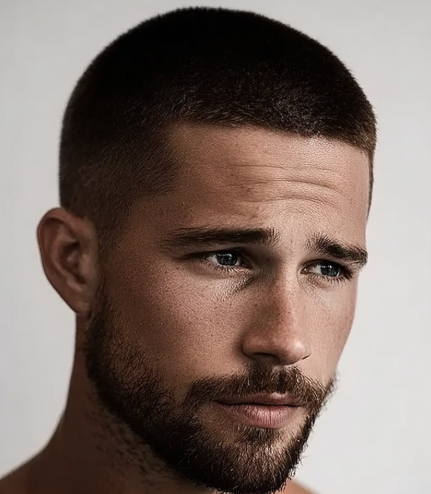
1. Buzz Cut
The buzz cut remains the best receding hairline haircuts 2026 because it operates on a principle of uniformity. When hair is cut to a single, short length (usually a #2 or #3 guard), the optical illusion of density changes. Instead of seeing a patch of thick hair next to a patch of thin hair (which highlights the recession), the eye sees one consistent texture across the scalp.
2. Crew Cut
Slightly longer than a buzz cut, the crew cut retains the clean silhouette but adds a bit of height and structure on top. The magic of the crew cut lies in its proportions. By keeping the sides tight and the top slightly longer (but still short), the barber creates a "boxy" shape that makes the forehead look proportional.
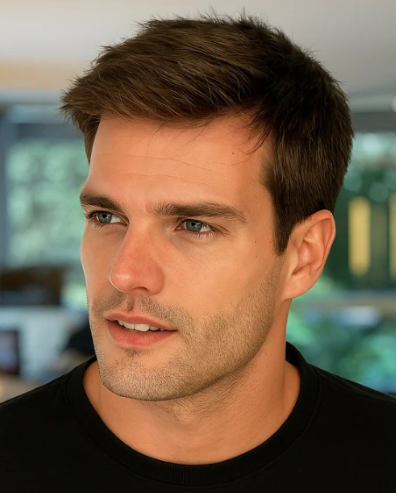
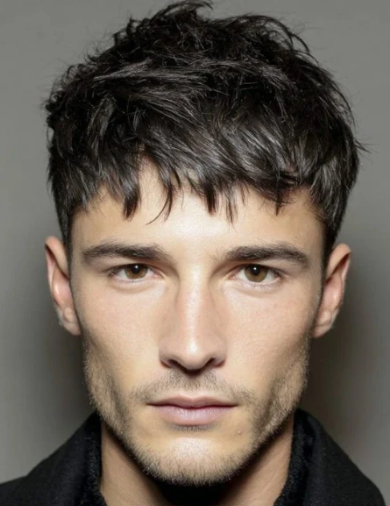
3. Textured Crop
This is widely considered the best man's haircut for receding hairline 2026. Unlike a buzz cut that exposes the hairline, the textured crop uses choppy, uneven layers to create a "bedhead" aesthetic. Because the layers are deliberately messy and disjointed, there is no hard line of demarcation where the hair ends and the forehead begins.
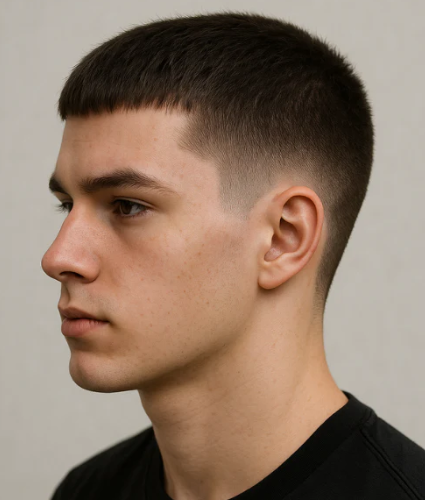
4. Short Fade with Texture
This 2026 haircut for receding hairline men leverages visual contrast to distract the eye. By shaving the sides extremely short (often down to the skin) while leaving a dense "patch" of textured hair on top, the barber creates a focal point at the crown of the head. In 2026, the trend is sharp contrast. By reducing the weight on the sides, the remaining hair on top looks intentionally styled rather than like "leftover" hair. It draws the eye upward, away from the temples.
5. Caesar Cut
Named after Julius Caesar, this best men's haircut for receding hairlines 2026 features a short, horizontal fringe (bangs) that sits forward on the forehead. The genius of the Caesar cut is that it places a blunt horizontal line across the forehead. Receding hairlines usually create an "M" shape (receding at the temples). The Caesar cut replaces that "M" with a flat, straight line. It hides the recession at the temples completely.
6. Ivy League Cut
Essentially a longer version of the crew cut, the Ivy League allows the top hair to be long enough to be side-swept, but short enough to stay disciplined. As workplace aesthetics continue to normalize post-pandemic, there is a return to "quiet luxury" in grooming. The Ivy League looks expensive and intentional. It allows a man with a receding hairline to maintain a professional image without resorting to obvious comb-overs. It works because the length is kept short enough that the recession looks like a natural maturation of the hairline, not a desperate cover-up.
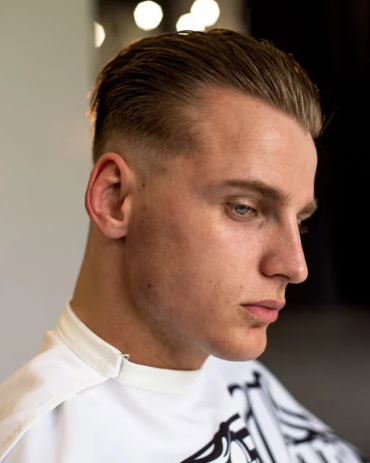
7. Slicked Back (Short Version)
For decades, men made the mistake of slicking back long hair, which pulled the hair taut and exposed the scalp. The 2026 version is a short, textured slick-back. This style is about embracing the recession as a style choice rather than a flaw. By keeping the hair short (2–3 inches on top) and using a low-shine or matte pomade, the hair is directed backward intentionally. The "modern" aspect of this trend in 2026 is the avoidance of high-shine gels, which act like a spotlight on a thinning scalp. Matte products allow for control without the "wet scalp" look.
8. Faux Hawk
This best haircut for men with receding hairline involves leaving a strip of longer hair running down the center of the head while the sides are clipped short. It is a masterclass in redirecting focal points. The human eye naturally follows the line of the Mohawk vertically (top to bottom). When the eye is busy tracking the vertical spike of hair in the center, it ignores the horizontal recession happening at the temples. For younger men in 2026, this is a favorite because it looks edgy and intentional, turning a potential insecurity into a fashion statement.
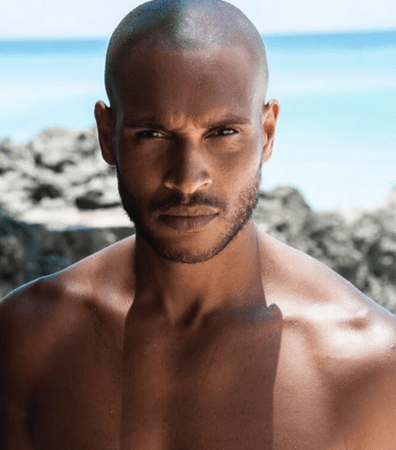
9. Shaved Head
For advanced stages of recession (Norwood scale 4+), attempting to style hair often results in a "comb-over" effect that ages the wearer. Shaving the head removes the contrast entirely. The stigma around shaved heads is virtually nonexistent in 2026. With the rise of high-definition razors and at-home shaving systems, maintaining a smooth, bald head is easier than ever. It is considered the ultimate "low-maintenance masculine" look. It eliminates the daily anxiety of checking the hairline in the mirror.
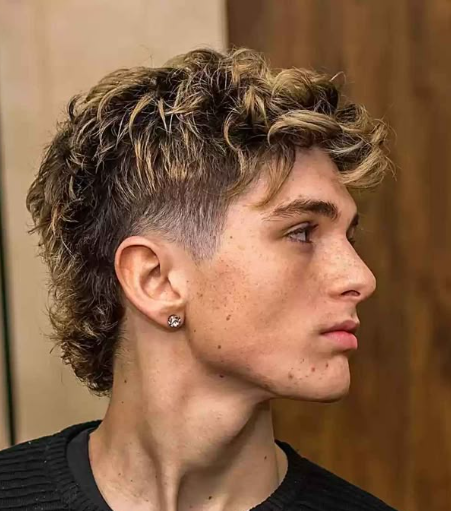
10. Messy Medium Length
Not every man wants to go short. For those with medium-length hair, this style uses disconnection to soften the look. The key is "natural movement." When hair is parted severely or combed flat, it exposes scalp. By using texture spray (sea salt sprays or light creams) to create piece-y, separated strands that fall forward naturally, the hair gains volume. This volume covers the thinning frontal zone without looking like a helmet. It’s a relaxed, bohemian trend that works well for men with naturally wavy hair.
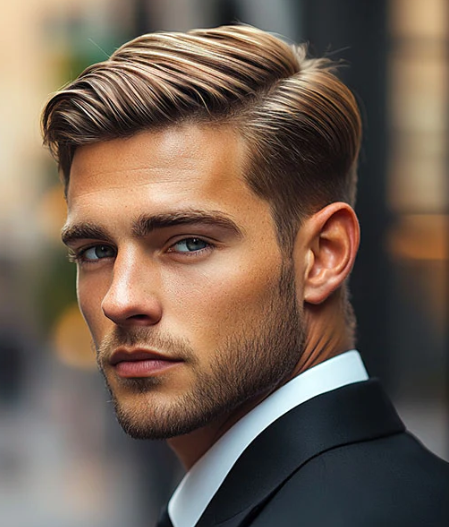
11. Side Part with Volume
The classic side part gets an update in 2026 by focusing on asymmetry and avoiding hard lines. A receding hairline often recedes evenly on both sides. By committing to a deep side part, you create an area of density on one side of the head, shifting the visual weight. The "2026" tip is to avoid a shaved-in hard part (a razor line etched into the scalp). Hard parts create a harsh line that can make the recession look more severe if the part is placed too far back. A soft, natural part keeps the look organic.
12. Taper Fade with Short Top
This is the default "clean cut" for 2026. It is characterized by a gradual fade on the sides and back, with the top left short enough to stand up slightly or lay flat. This haircut works because of precision. A receding hairline can sometimes look unkempt if the sides grow out bushy. By tapering the sides aggressively, the barber creates a clean frame for the face. When the sides are neat, the eye perceives the overall haircut as "clean," which makes a high hairline look like a deliberate style choice (a "mature" look) rather than a sign of neglect.
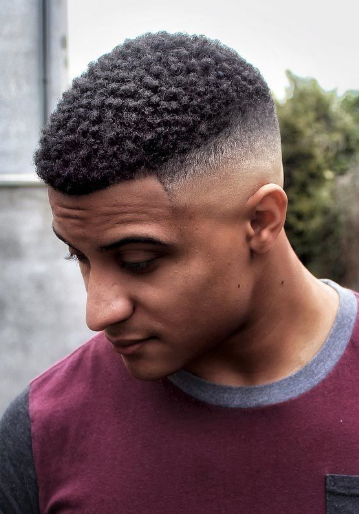
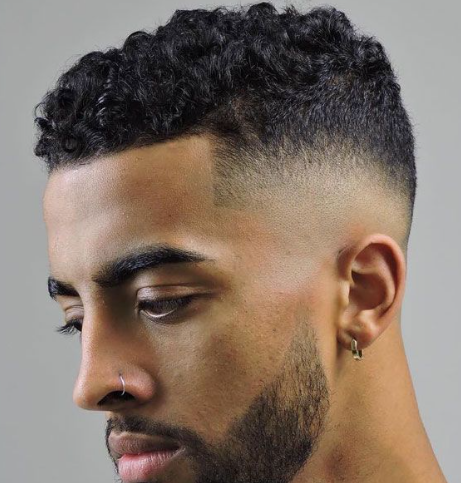
13. Curly Top with Fade
Curly hair is a blessing for a receding hairline because curls provide natural lift and density. In 2026, the "curly top/fade" combo is a massive trend. The fade removes bulk from the sides, which prevents the hair from looking like a "cotton ball" shape. The curls on top are left to their natural device. Because curls shrink and create shadow, they obscure the scalp underneath. Even if the hairline has receded an inch, the cascading curls fall forward to cover that gap naturally without requiring hairspray or glue.
14. Low Maintenance Short Cut
This category includes any simple, uniform short cut (like a #4 on top, #2 on sides) that requires no styling products. The biggest enemy of a receding hairline is over-manipulation. Constantly blow-drying, combing, and applying heavy waxes can actually pull hair out and irritate the scalp, accelerating thinning. The receding hairline men haircut trend 2026 leans toward scalp health. By choosing a cut that requires no styling, you stop traumatizing the fragile hairs around the hairline.
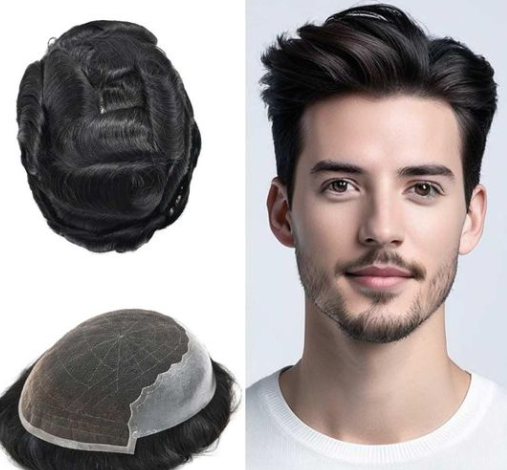
Gone are the days of obvious, shiny toupees. Modern hair systems (often called "units" or "pieces") are made of lace or polyurethane with human hair that is glued or taped to the scalp. Technology has advanced to the point where hair systems are virtually undetectable. The 2026 trend is specifically the short, textured style system. In the past, men tried to glue on thick, long hair that didn’t match their age. Now, the trend is to get a system cut in a textured crop or buzz fade.
How to Choose the Best Haircut with Receding Hairline?
Best Haircut for Receding Hairline and Thinning Hair Men 2026
For a combination of a receding hairline and general thinning, the goal is to create the illusion of density and draw attention away from the hairline. The best cuts are short, textured, and low-maintenance.
Best Haircut for Black Men with Receding Hairline
For Black men, the key is to work with your natural texture and avoid harsh lines that can emphasize a receding hairline. The focus should be on low fades and natural line-ups
Best Short Haircuts for Men with Receding Hairline
Short haircuts are ideal because they are inherently low-contrast and easy to manage. The 2026 trends favor precision and "quieter" styles over extreme fades.
Best Haircuts for Young Men With Receding Hairline
For younger men, dealing with a receding hairline can be particularly challenging. The best approach is to choose modern, stylish cuts that are trending in 2026 and cleverly disguise the issue.
Best Shampoo for Receding Hairline Men 2026
While a shampoo cannot reverse a receding hairline on its own, the right one can create an optimal scalp environment and make existing hair look fuller.
What to Look For: The best shampoos for thinning hair focus on three key actions: DHT-blocking (with ingredients like ketoconazole or saw palmetto), hair growth stimulation (with caffeine or rosemary oil), and volumizing (with proteins that make each strand appear thicker). You should also look for formulas that avoid harsh sulfates, which can strip the scalp.
Top Picks: Expert tests from Men's Health and Esquire suggest looking for shampoos that are tailored to your specific scalp needs, whether that's dryness, oiliness, or dandruff, as a healthy scalp is the foundation for healthy hair. For a combined approach, products like the FOLIGAIN Advanced Hair Regrowth Hair Shampoo infuse minoxidil directly into a cleanser.
Best Serum for Receding Hairline Men 2026
Serums are targeted treatments designed to deliver high-potency ingredients directly to the scalp.
Clinical-Grade Option: AIIR Revive Serum is a top contender in 2026. It uses a blend of Redensyl®, Capixyl™, and caffeine to target follicle stem cells and reduce DHT binding. Clinical testing showed it increased hair follicle activity by 37% in participants with mild to moderate hair loss.
Entry-Level & Plant-Based Options: For a simple, effective start, The Ordinary Multi-Peptide Serum for Hair Density is a lightweight, non-greasy option that works to improve hair density over time. If you prefer a non-pharmaceutical approach, Vegamour GRO Hair Serum uses plant-based actives to support density and reduce shedding.
Scalp Health Focus: The Act+Acre Cold-Processed Stem Cell Scalp Serum is ideal if your hair loss is accompanied by a dry, itchy, or stressed scalp. It focuses on creating the optimal conditions for hair growth.
Best Product / Best Treatment for Receding Hairline Men 2026
For a receding hairline, the most effective products are those that intervene in the hair loss process itself.
The Gold Standard: Topical Minoxidil 5%: Minoxidil remains the most proven, FDA-approved over-the-counter treatment for androgenetic alopecia (male pattern baldness). It works by revitalizing shrunken hair follicles, increasing blood flow to the scalp, and prolonging the growth phase of hair. A 5% solution applied twice daily is the standard for men.
Oral Prescription Options: For a more aggressive approach, doctors may prescribe Finasteride (an oral DHT blocker) or Oral Minoxidil (Loniten). These require a prescription and medical supervision due to potential side effects but can be highly effective, especially when used in combination.
Combination Approach: Using treatments together, such as minoxidil with a DHT-blocking supplement or finasteride, often yields better results than either alone.
Best Minoxidil for Men Receding Hairline 2026
All 5% minoxidil formulations are essentially the same drug, so your choice depends on formulation, brand trust, and price.
For Brand Consistency: Rogaine (in the US) / Regaine (in the UK) is the original, widely available brand. It's often recommended for its reliable formulation and peace of mind.
For Cost-Effectiveness (China): (Minoxidil Tincture) is a leading domestic brand with "National Medicine Standard". A 2026 review highlights it as a first-line, cost-effective choice for long-term treatment, noting that a mild "shedding phase" in the first month is a normal sign the drug is workin.
For Different Formulations: Rogaine also offers a foam formulation, which many users prefer as it's typically free of propylene glycol (a common irritant in liquid formulas) and dries faster. Generic brands like Kirkland Signature are popular for their value, especially for those committed to long-term use.
Best Hair Oil for Receding Hairline Men 2026
Modern hair oils are a far cry from the heavy oils of the past. The best ones for 2026 are lightweight, science-backed treatments.
Science-Backed Botanicals: Look for oils that contain ingredients proven to stimulate the scalp. Rosemary oil is a standout, as studies show it can increase scalp blood flow and support follicle function similarly to low-concentration minoxidil.
Top Pick: Man Matters Hair Growth Oil is a great example of this new category. It blends Bhringraj, Amla, and Onion oils—all chosen for their specific benefits like follicle stimulation, strengthening strands, and improving scalp health.
How to Use: For best results, apply 2-3ml directly to the scalp, massage gently for 5-7 minutes to boost circulation, and leave it on for at least an hour or overnight before washing
How to Hide Receding Hairline?
1. The Right Haircut (Your Best Weapon)
A good cut redirects attention and covers thin areas naturally.
The Textured Crop / French Crop: Ask your barber to leave length on top and cut a blunt, textured fringe (bangs). This fringe sits forward onto the forehead, physically covering the corners of a receding hairline.
The Caesar Cut: Similar to the crop, this features a short, forward-swept fringe. It’s classic and specifically designed to disguise a high hairline.
Side-Swept Fringe: If you prefer longer hair, grow the front long enough to comb it diagonally across the forehead. This breaks up the straight line of recession.
Keep Sides Short: Tight sides (taper or fade) reduce contrast, making the top look fuller and preventing a "top-heavy" appearance that draws attention up to the hairline.
2. Styling Tricks & Products
How you style your hair changes the perception of fullness.
Use Matte Products: Avoid gels or pomades with high shine. Shine reflects light and makes thinning areas obvious. Use matte clay, paste, or texture powder to create volume and a natural, "messy" look that camouflages sparse areas.
Create Volume (Not Height): Volumizing powders or dry shampoo at the roots can make hair stand up slightly, creating density that masks the scalp beneath. Focus volume at the front of the hairline.
3. Cosmetic Concealers (Instant Results)
For a temporary fix (perfect for events or daily use), these products work like makeup for the scalp.
Hair Fibers (e.g., Toppik, Caboki): These are keratin fibers that you shake onto thinning areas. They bond to your existing hair via static electricity, making the hairline look instantly dense and filled in.
Scalp Micropigmentation (SMP): A semi-permanent cosmetic tattoo that deposits tiny dots of pigment on the scalp to replicate the look of hair stubble. It creates the illusion of a full, buzzed-cut hairline.
Colored Hair Thickening Sprays: These sprays contain micro-pigments that coat the hair and scalp, reducing the contrast between skin and hair.
4. Strategic Grooming (Facial Hair)
Draw the eye down instead of up. Grow a Beard or Goatee: A well-groomed beard balances a high forehead. It shifts the focal point of your face from the hairline to the lower third, making recession less noticeable.
How to Avoid Receding Hairline?
1. Start Clinically Proven Treatments (The Most Effective Way)
If you want to avoid further recession, you need to intervene in the hormonal and biological process causing it. These are the only methods clinically proven to stop hair loss.
Topical Minoxidil (5%): This is the first-line, over-the-counter treatment. It works by revitalizing shrunken follicles and prolonging the growth phase of hair. To "avoid" recession, you must apply it consistently (usually twice daily). Note: It is a maintenance drug—if you stop using it, the recession process will resume.
Oral Finasteride: This is a prescription medication that inhibits the production of DHT (the hormone that attacks follicles). By lowering DHT levels in the scalp, it is highly effective at stopping a receding hairline from getting worse for the majority of men.
Combination Therapy: Using both Minoxidil and Finasteride together is considered the "gold standard" for stopping genetic hair loss.
2. Optimize Your Hair Care Routine (The "Do No Harm" Approach)
How you handle your hair daily can contribute to mechanical stress that speeds up recession, especially at the fragile temples.
Avoid Tight Hairstyles: Do not wear tight ponytails, man buns, or cornrows. Constant tension on the hairline causes Traction Alopecia, which permanently damages follicles.
Be Gentle When Wet: Hair is at its weakest when wet. Avoid rubbing aggressively with a towel. Instead, pat dry or use a microfiber towel to reduce breakage.
Use a Wide-Tooth Comb: If you have tangles, use a wide-tooth comb instead of a brush to minimize pulling hair out from the root.
3. Use a "Hair-Friendly" Diet
Your hair follicles are some of the fastest-growing cells in your body and require specific nutrients to function.
Prioritize Protein: Hair is made almost entirely of a protein called keratin. Ensure you are eating enough lean meats, eggs, beans, or protein supplements.
Check Your Iron and Vitamin D: Low iron stores (ferritin) and Vitamin D deficiency are directly linked to increased shedding and inhibited growth.
Healthy Fats: Omega-3 fatty acids (found in fish and flaxseeds) help keep the scalp healthy and hydrated.
4. Manage Stress Levels
High stress triggers the release of cortisol, which can push hair follicles out of the growth phase and into a resting or shedding phase (a condition called Telogen Effluvium). While this often causes general thinning rather than a patterned receding hairline, it can expose recession that was already underway. Incorporate stress management techniques like exercise, meditation, or adequate sleep.
5. Stop Smoking
Studies have shown a strong link between smoking and androgenetic alopecia. Smoking is believed to damage the DNA of hair follicles, constrict blood vessels (reducing blood flow to the scalp), and increase oxidative stress, all of which can accelerate hair loss.