

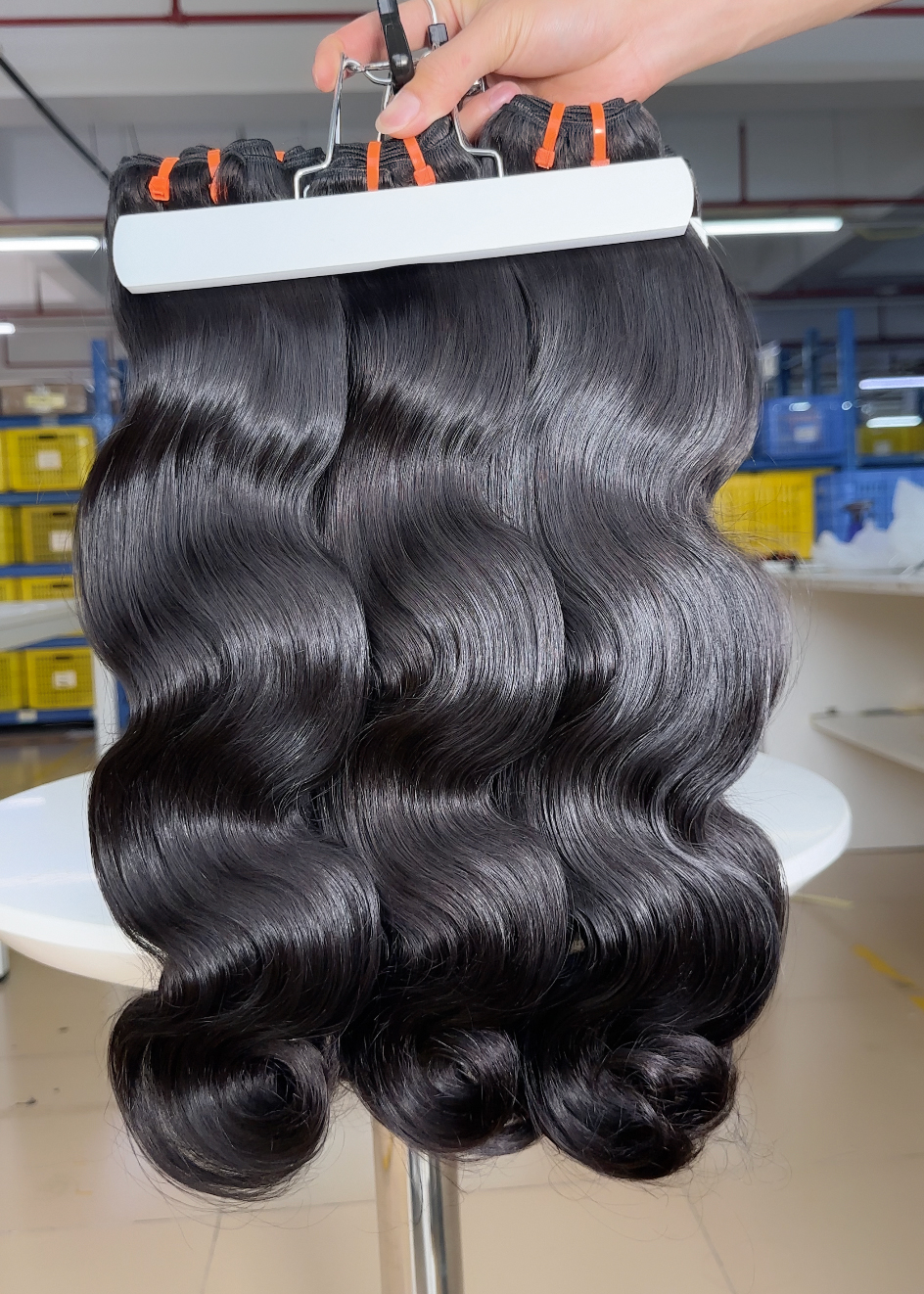
Luxurious Thai Raw Hair-Body Wave
Hair Extensions Guide & Basics: Definition, Benefits and Types of Hair Extensions
Hair extensions have become the most popular solution for people who want to change their look and hairstyles due to their convenience and versatility. Human hair extensions can come in different types, styles, sizes, colors, and materials. In this hair extensions guide, we are going to focus on its definition, benefits, and types.
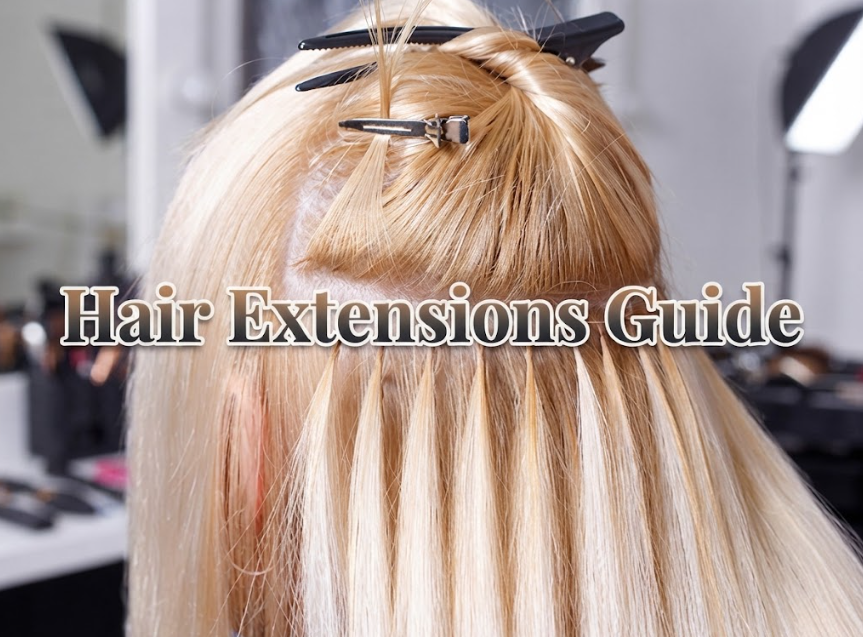
What Are Hair Extensions?
Also referred to as hair weaves or hair bundles, hair extensions are cosmetic hair accessories designed to add extra length, thickness, and dimension to natural human hair. They fall into two primary material categories: 100% human Remy hair and synthetic fiber hair, each with distinct quality, styling flexibility, and longevity traits.
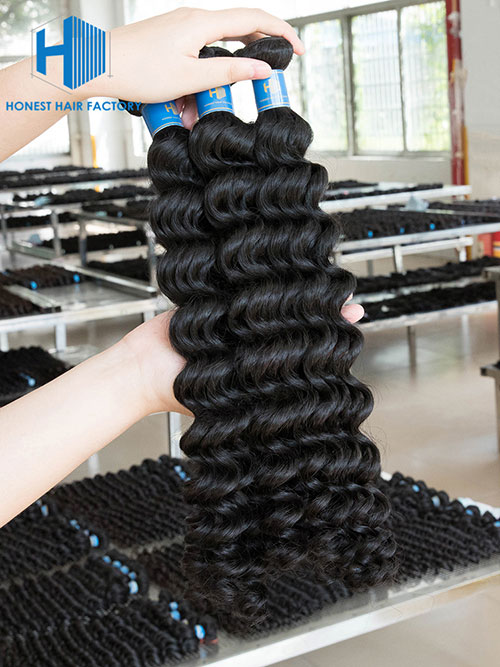
High-quality Remy human hair extensions feature intact, uniformly aligned hair cuticles, which prevent tangling, preserve natural shine, and allow full heat styling, coloring, and washing just like your own hair. Synthetic hair extensions are crafted from lightweight plastic fibers that mimic natural hair texture but lack the versatility of real hair. Available in diverse lengths, colors, textures, and installation styles, hair extensions can be worn temporarily for one-time events or semi-permanently for months of consistent styling, seamlessly blending with natural hair for an undetectable transformation. Below is a showcase of different types of virgin human hair extensions made from Thai and Brazilian hair.
Benefits of Hair Extensions - Why Hair Extensions Are Good?
Hair extensions have transitioned from a luxury beauty trick exclusive to celebrities to a widely popular go-to beauty solution, thanks to their diverse functional and visual perks that address all common hair concerns and styling goals.
1. Instant Hair Transformation
Growing long, thick natural hair takes months or even years of careful care. Hair extensions deliver immediate length and volume, letting you switch up your hairstyle overnight without waiting for natural hair growth. Temporary styles like clip-ins allow flexible wear for spontaneous makeovers, perfect for occasional styling updates, while semi-permanent options deliver long-lasting results for everyday looks.
2. Fix Common Hair Insecurities
They effectively solve common hair woes, including fine thinning hair, flat lifeless strands, uneven haircuts, and sparse hair areas. Extensions add balanced fullness to thin hair and fill in gaps from broken or uneven natural hair, creating a uniform, lush hairline and overall texture.
3. Unlimited Styling Versatility
Premium human hair extensions support all heat styling techniques, including curling, straightening, and blow-drying. They also let you experiment with bold hair colors, highlights, and balayage tones without damaging your natural hair, making them ideal for testing trendy looks temporarily.
4. Protective for Natural Hair
When installed and maintained correctly, quality hair extensions act as a protective barrier for natural strands. They reduce daily heat styling, chemical treatments, and environmental exposure, minimizing breakage and split ends while letting your natural hair grow healthily underneath.
5. Suitable for All Lifestyles & Hair Types
From busy professionals who prefer low-maintenance semi-permanent styles to casual users who want flexible temporary options, there is an extension type for every routine. They work seamlessly with straight, wavy, curly, fine, medium, and thick hair textures when matched properly.
Different Types of Hair Extensions
Here we’ll look at the most common hair extension types, but there are also other styles or types based on different classification methods, such as the Indian virgin hair extensions. Every kind of hair extension comes with distinct installation techniques, wear duration, pros and cons, and ideal user profiles.
1. Clip-In Hair Extensions
Clip-in extensions are temporary hair wefts fitted with soft, secure silicone clips, designed for self-installation at home without professional tools or salon visits. Most high-end clip-ins are made of 100% Remy human hair with intact cuticles.
Key Features: Ultra-easy application and removal, fully reusable, no heat, glue, or chemical involvement. Available in multiple lengths, weights, and shades to match diverse hair tones and densities.
Pros: Zero damage to natural hair; beginner-friendly with a 5–10 minute installation process; flexible wear (can be worn or removed daily); cost-effective with long reusable lifespans; supports full heat styling and customization.
Cons: Not suitable for overnight or long-term continuous wear; may slip slightly if installed incorrectly; less seamless for extremely fine, thin hair with minimal grip.
Best For: First-time extension users, people who want occasional styling for weddings, parties, and photoshoots, and those who love flexible, on-demand beauty changes.
2. Tape-In Hair Extensions
Tape-in extensions are semi-permanent premium human hair wefts bonded with medical-grade hypoallergenic adhesive tape. They are installed by sandwiching thin sections of natural hair between two taped wefts via a cold fusion method.
Key Features: Ultra-thin weft design lays completely flat against the scalp for invisible blending; lightweight and flexible; reusable with new tape tabs after professional removal.
Pros: Fast professional installation (45–60 minutes per full head); undetectable even in updos and ponytails; gentle on fine/fragile hair; low daily maintenance; multiple reinstallations possible for long-term value.
Cons: Requires salon maintenance every 6–8 weeks; oil-based hair products can weaken adhesive bonds; not ideal for frequent intense workouts with heavy sweating.
Best For: People with fine to medium hair, busy professionals seeking low-effort semi-permanent styles, and anyone wanting a natural, seamless daily look.
3. Weft (Sew-In) Hair Extensions
Sew-in weft extensions are long strips of Remy human hair professionally sewn onto tight scalp cornrows (braided natural hair) using a needle and thread. A standout premium variant is genius weft hair extensions, featuring ultra-thin, flexible weft construction for superior comfort and invisibility compared to traditional wefts.
Key Features: No glue or heat used during installation; extremely secure fit; delivers maximum hair volume; compatible with micro-ring and invisible weft installation techniques.
Pros: Long-lasting wear (6–8 weeks per installation); highly durable for active lifestyles; reusable with proper care; ideal for achieving thick, voluminous hair; no chemical irritation to the scalp.
Cons: Lengthy salon installation (2–3 hours); may feel heavy on fine hair; tight braiding can cause mild scalp tension initially; requires regular scalp moisturizing maintenance.
Best For: People with medium to thick, strong natural hair, those desiring dramatic volume, and users with active daily routines who need secure, long-lasting extensions.
4. Fusion Hair Extensions
Fusion hair extensions, also called pre-bonded or keratin bond extensions, are individual hair strands tipped with keratin adhesive. They are fused to small sections of natural hair via professional heat tools for a strand-by-strand attachment.
Key Features: The most natural-moving extension type; fully individualized attachment with no bulky wefts; blends flawlessly with all hair textures and lengths.
Pros: Undetectable finish even on short or layered hair; long wear time (3–4 months per installation); moves naturally with natural hair; no visible tracks or bonds.
Cons: Time-consuming installation (3–4 hours); higher price point; improper installation/removal may cause minor hair breakage; requires strict professional maintenance.
Best For: Users prioritizing ultimate naturalness, people with short layered hair, and those wanting long-term, set-it-and-forget-it semi-permanent styles.
5. Micro Link (Micro Bead) Hair Extensions
Micro link extensions use tiny silicone-lined metal beads to clamp individual hair wefts onto small sections of natural hair, with zero heat or adhesive required.
Key Features: Minimal scalp irritation; fully reusable beads and hair; adjustable tightness during maintenance; lightweight strand-by-strand attachment.
Pros: Gentle on sensitive scalps; no chemical or heat damage; long wear time (up to 4 months); easy professional repositioning as hair grows.
Cons: Slow installation process; improper tight clamping can cause root tension; beads may be slightly visible on extremely thin hair.
Best For: Scalp-sensitive users, people with fine healthy hair, and those avoiding heat/chemical extension methods.
Hair Extensions vs Wigs
Many users confuse hair extensions and wigs, but the two serve completely different purposes and wear experiences. Hair extensions attach directly to your existing natural hair to add length and volume while preserving your natural hairline and scalp visibility. They blend seamlessly for a natural, undetectable look and allow free movement of your natural hair.
Wigs are full scalp coverings that completely overlay natural hair, ideal for full hair coverage, hair loss, or drastic full-style transformations. Unlike extensions, wigs cover the entire hairline and scalp, which can feel bulkier and less breathable during daily wear. Extensions are perfect for subtle, natural enhancements, while wigs are better for complete hair overhauls or medical hair loss coverage. For daily low-key styling, hair extensions are more versatile and comfortable, while wigs excel at dramatic, one-of-a-kind makeovers.
Sew-In Hair Extensions vs Tape-In Hair Extensions
This is the most common comparison among semi-permanent extension users, with key differences in wear suitability, installation, and maintenance:
Installation & Comfort: Tape-ins install in under an hour with ultra-flat, lightweight bonds, perfect for fine hair and sensitive scalps. Sew-ins require hours of braiding and sewing, with a slightly heavier feel that may cause mild tension for thin hair.
Longevity & Maintenance: Both last 6–8 weeks per installation, but tape-ins need stricter product control (no root oils) to avoid loosening. Sew-ins require regular scalp moisturizing to prevent dryness under braids but are less prone to slipping.
Best Use Cases: Tape-ins are ideal for everyday casual wear, fine hair, and users who prioritize invisibility. Sew-ins are better for thick hair, maximum volume, and active lifestyles where secure, non-slip wear is essential.
Do Hair Extensions Damage Natural Hair?
High-quality human hair extensions cause minimal to no damage when installed, worn, and maintained correctly by licensed stylists. Damage almost always stems from improper installation (over-tight bonds/beads), leaving extensions in for too long, or poor daily care. Clip-ins are the least damaging option due to their temporary wear, while semi-permanent styles only pose risks with unprofessional handling.
How Long Do Human Hair Extensions Last with Proper Care?
Clip-in human hair extensions can last 10–12 months of regular use. Tape-in and sew-in extension hair is reusable for 6–12 months with professional re-taping and maintenance. Fusion and micro link extensions typically remain wearable for 9+ months with consistent aftercare. Machine weft extensions can last up to 5 years with correct use. Synthetic extensions only last 1–2 months due to fiber degradation.
Can You Wash and Style Hair Extensions like Natural Hair?
100% Remy human hair extensions can be washed, blow-dried, curled, straightened, and toned just like natural hair. However, sulfate-free extension-safe shampoos are recommended to preserve texture and bonds. Synthetic extensions cannot withstand heat styling or chemical coloring and require limited washing.
Are Hair Extensions Suitable for Short Hair?
Yes, extensions work perfectly for short hair (minimum 4 inches of natural hair recommended). Fusion and tape-in extensions are the best choices for short hair, as their discreet, thin bonds avoid bulky, visible tracks, creating a seamless lengthening effect.
Can I Swim or Sleep with Hair Extensions?
Clip-ins must be removed before sleeping or swimming to avoid tangling and damage. For semi-permanent tape-ins, sew-ins, and fusion extensions, tie hair into a loose braid or low ponytail before bed. After swimming in chlorinated or salt water, rinse hair thoroughly to remove residue that can dry out extensions and weaken bonds.
What Hair Extension Type Is Best for Fine Thin Hair?
Tape-in extensions and lightweight genius weft extensions are the top choices for fine thin hair. Their ultra-thin, flat design adds volume without weighing down delicate strands, while clip-ins work great for occasional volume boosts. Heavy sew-ins are not recommended for fine hair due to potential tension stress.
You are one step away to access to our wholesale prices